
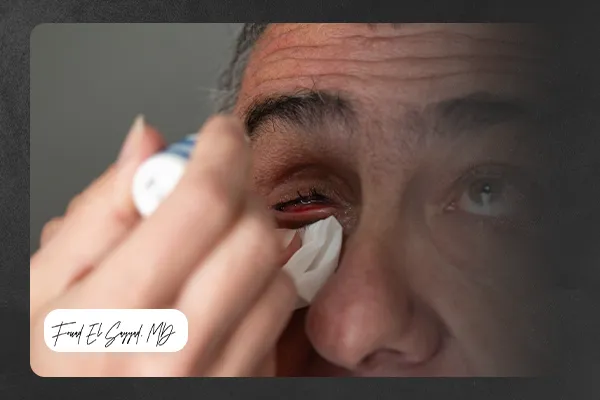
تُعد قرنية العين من أهم الأجزاء المسؤولة عن وضوح الرؤية، فهي الطبقة الشفافة الموجودة في مقدمة العين، والتي تساعد على تركيز الضوء داخل العين حتى يصل إلى الشبكية بصورة سليمة. لذلك فإن أي مشكلة تصيب القرنية، سواء كانت جفافًا، التهابًا، خدشًا، قرحة، عتامة، أو تغيرًا في شكلها مثل القرنية المخروطية، قد تؤثر بشكل مباشر على جودة النظر وراحة العين.
وعند البحث عن قرنية العين ومشاكلها، فغالبًا يكون الهدف هو فهم سبب الزغللة، ألم العين، الحساسية من الضوء، أو ضعف النظر المتكرر، ومعرفة متى تكون الحالة بسيطة ومتى تحتاج إلى تدخل طبي متخصص. في هذا المقال، نوضح أهم مشاكل قرنية العين، أعراضها، أسبابها، طرق تشخيصها، وخيارات العلاج المناسبة حسب كل حالة.
ما هي قرنية العين ومشاكلها الشائعة؟
قرنية العين هي الجزء الأمامي الشفاف من العين، وتغطي القزحية والحدقة، وتساعد على تركيز الضوء داخل العين حتى يصل إلى الشبكية بصورة واضحة. لذلك فإن أي مشكلة تصيب القرنية قد تؤثر مباشرة على جودة الرؤية، وتسبب أعراضًا مثل الزغللة، ألم العين، الحساسية من الضوء، الاحمرار، الدموع، أو ضعف النظر المتكرر. وعند البحث عن قرنية العين ومشاكلها، فغالبًا يكون هدف المريض معرفة سبب اضطراب الرؤية أو الألم، وهل المشكلة بسيطة مثل جفاف أو خدش، أم تحتاج إلى علاج متخصص مثل حالات التهاب القرنية أو القرنية المخروطية أو عتامة القرنية.
أهمية قرنية العين في وضوح الرؤية
تلعب قرنية العين دورًا مهمًا في حماية العين، فهي تمثل الحاجز الأمامي الذي يساعد على تقليل دخول الأتربة والميكروبات والأجسام الغريبة إلى داخل العين. كما تساهم القرنية بشكل أساسي في انكسار الضوء وتركيزه داخل العين، ولذلك فإن انتظام سطحها وشفافيتها من العوامل المهمة للحصول على رؤية واضحة.
وتعمل القرنية كأول سطح بصري يمر من خلاله الضوء، فإذا تعرضت للخدش، الالتهاب، الجفاف الشديد، العتامة، أو تغير الشكل كما يحدث في القرنية المخروطية، فقد تتأثر الرؤية بدرجات مختلفة. لذلك فإن فهم قرنية العين ومشاكلها يساعد المريض على الانتباه مبكرًا لأي تغير في الرؤية، بدلًا من انتظار تدهور الحالة.
أشهر مشاكل قرنية العين في مصر
تختلف مشاكل قرنية العين من حالة بسيطة يمكن علاجها بقطرات أو تعليمات طبية، إلى حالات أكثر تعقيدًا تحتاج إلى إجراءات دقيقة مثل تثبيت القرنية أو زراعة الحلقات أو زراعة القرنية. لذلك لا يكفي وصف الأعراض فقط، بل يجب فحص القرنية بجهاز متخصص لتحديد نوع المشكلة ودرجتها وخطة العلاج المناسبة.
جفاف قرنية العين
جفاف قرنية العين أو جفاف سطح العين يحدث عندما لا تحصل العين على الترطيب الكافي، أو عندما تكون الدموع غير مستقرة أو تتبخر بسرعة، مما يؤدي إلى حرقان، زغللة، إحساس بوجود جسم غريب داخل العين، واحمرار أو حساسية من الضوء. وقد يزيد الجفاف مع استخدام الشاشات لفترات طويلة، أو ارتداء العدسات اللاصقة، أو بعض أمراض الجفون والالتهابات المزمنة. وفي الحالات الشديدة، قد يؤثر الجفاف على سطح القرنية ويزيد احتمال حدوث خدوش أو التهابات، لذلك يحتاج إلى تقييم وعلاج مناسب بدل الاعتماد على القطرات المرطبة فقط لفترات طويلة.
خدوش وقرح قرنية العين
خدش القرنية يحدث عند تعرض سطح القرنية لإصابة بسيطة مثل دخول جسم غريب، الاحتكاك بالأظافر، العدسات اللاصقة، الأتربة، أو أدوات التجميل. ورغم أن بعض الخدوش السطحية قد تتحسن خلال فترة قصيرة، إلا أن إهمالها قد يؤدي إلى التهاب أو قرحة في القرنية، خاصة إذا صاحبها ألم شديد، احمرار، إفرازات، حساسية من الضوء، أو ضعف مفاجئ في الرؤية. أما قرحة القرنية فهي حالة أكثر خطورة وغالبًا ترتبط بعدوى بكتيرية أو فيروسية أو فطرية، وتحتاج إلى علاج سريع لتجنب حدوث عتامة أو ندبة تؤثر على النظر.
عتامة قرنية العين
عتامة قرنية العين تعني فقدان جزء من شفافية القرنية، مما يمنع مرور الضوء بصورة طبيعية داخل العين ويؤدي إلى تشوش أو ضعف في الرؤية. وقد تحدث العتامة نتيجة التهاب شديد، قرحة قديمة، إصابة مباشرة، حروق كيميائية، أو بعض أمراض القرنية الوراثية. وتختلف طريقة العلاج حسب مكان العتامة وحجمها وتأثيرها على الرؤية؛ فقد تحتاج بعض الحالات إلى علاج دوائي ومتابعة، بينما قد تحتاج الحالات المتقدمة إلى تدخل جراحي مثل زراعة القرنية.
تشوهات سطح قرنية العين
تشوهات سطح قرنية العين تعني أن سطح القرنية لم يعد منتظمًا كما ينبغي، مما يؤدي إلى انكسار الضوء بشكل غير طبيعي وظهور زغللة أو تشوش أو استجماتيزم غير منتظم. ومن أشهر أمثلة ذلك القرنية المخروطية، حيث تترقق القرنية تدريجيًا وتبدأ في البروز للأمام بشكل مخروطي، مما يسبب ضعفًا تدريجيًا في الرؤية وعدم تحسن كافٍ بالنظارة في بعض الحالات. وتحتاج هذه الحالات إلى فحوصات دقيقة مثل طبوغرافية القرنية وقياس سُمكها لتحديد درجة المشكلة واختيار العلاج المناسب.
التهاب القرنية
من ضمن نتائج البحث الشهيرة عن "قرنية العين ومشاكلها" يأتي التهاب القرنية، الذي يعد أحد أشهر المشكلات الطبية التي تُصيب قرنية العين، وينقسم التهاب القرنية إلى نوعين التهاب القرنية المُعدي الناتج عن الإصابة بعدوى بكتيرية أو فيروسية، والتهاب القرنية غير المُعدي الناتج عن بعض الحالات التي تُصيب العين مثل جفاف العين، وارتداء العدسات اللاصقة وغيرها، ويحتاج التهاب القرنية إلى علاج تجنبًا لإصابة الشخص بأي مضاعفات.
القرنية المخروطية
تُعد القرنية المخروطية من أشهر الحالات المرضية التي تُصيب القرنية، وهي ترقق قرنية العين تدريجيًا، مما يُسبب تغير في شكل القرنية، وقد يؤدي إلى تغير في انحناء القرنية بصورة كبيرة أو خفيفة ويُسبب ما يُعرف باللابؤرية، وقد يرث الشخص هذا المرض من أحد أبويه، أو قد يُصاب به نتيجة ارتداء عدسات صلبة، أو إصابته بأحد الأمراض الأخرى مثل متلازمة داون.
بالإضافة إلى هذه الحالات المرضية، توجد العديد من حالات قرنية العين ومشاكلها الأخرى مثل ضمور قرنية العين، والإصابة ببعض أمراض المناعة الذاتية، أو السرطانات التي تؤثر على القرنية.
طرق علاج مشاكل قرنية العين حسب الحالة
يعتمد علاج قرنية العين ومشاكلها على نوع المشكلة ودرجتها وسببها، فلا يوجد علاج واحد يناسب جميع الحالات. فالتهابات القرنية تحتاج إلى تشخيص سبب الالتهاب أولًا، بينما القرنية المخروطية قد تحتاج إلى نظارة أو عدسات خاصة أو تثبيت قرنية أو زراعة حلقات، أما حالات العتامة الشديدة أو التلف المتقدم فقد تحتاج إلى زراعة قرنية.
علاج التهابات قرنية العين
علاج التهاب القرنية يختلف حسب السبب؛ فإذا كان الالتهاب بكتيريًا فقد يحتاج المريض إلى قطرات مضاد حيوي، وإذا كان فيروسيًا فقد يحتاج إلى مضادات فيروسية، أما الالتهاب الفطري فيحتاج إلى علاج مضاد للفطريات. وفي بعض الحالات غير المعدية، مثل الالتهاب الناتج عن جفاف شديد أو إصابة سطحية أو استخدام العدسات اللاصقة بطريقة خاطئة، يحدد الطبيب العلاج حسب درجة التهاب سطح العين. ولا يُنصح باستخدام قطرات الكورتيزون أو أي قطرات علاجية دون وصف الطبيب، لأنها قد تزيد بعض أنواع العدوى سوءًا إذا استُخدمت بطريقة غير صحيحة.
علاج القرنية المخروطية
علاج القرنية المخروطية يعتمد على مرحلة المرض ومدى تأثيره على النظر. في المراحل المبكرة قد تساعد النظارات أو العدسات اللاصقة المتخصصة على تحسين الرؤية، أما إذا أظهرت الفحوصات أن القرنية ما زالت تتدهور، فقد يوصي الطبيب بعملية تثبيت القرنية للحد من تطور الحالة. وفي المراحل المتوسطة أو المتقدمة قد يحتاج المريض إلى زراعة حلقات داخل القرنية أو عدسات صلبة أو صلبة كبيرة، بينما تُستخدم زراعة القرنية في الحالات الشديدة التي يصاحبها ترقق شديد أو عتامات مؤثرة على الرؤية.
تثبيت القرنية
تثبيت القرنية أو Corneal Cross-Linking من أهم الإجراءات المستخدمة في علاج القرنية المخروطية المتطورة أو القابلة للتطور. وتتم العملية باستخدام قطرات الريبوفلافين، وهو فيتامين B2، مع تسليط أشعة UVA بجرعات محسوبة على القرنية، مما يساعد على تقوية الروابط بين ألياف الكولاجين داخل القرنية والحد من استمرار التدهور. والهدف الأساسي من تثبيت القرنية هو إيقاف أو إبطاء تطور القرنية المخروطية، وليس التخلص من النظارة أو تحسين النظر بشكل مضمون.
زراعة الحلقات
زراعة حلقات القرنية المخروطية تُستخدم في بعض حالات القرنية المخروطية، خاصة عندما يكون هناك تحدب واضح يؤثر على انتظام سطح القرنية وجودة الرؤية. وتساعد الحلقات على تقليل التحدب وتحسين انتظام سطح القرنية، مما قد يحسن جودة الرؤية أو يجعل استخدام العدسات الطبية أسهل. لكنها لا تعيد القرنية إلى طبيعتها بالكامل، ولا تناسب جميع الحالات، لذلك يجب تحديد مدى مناسبتها بعد فحوصات دقيقة لقياس شكل القرنية وسُمكها ودرجة التحدب.
زراعة القرنية
زراعة القرنية أو ترقيع القرنية تُستخدم عندما تكون القرنية شديدة التلف أو بها عتامات أو ندبات تؤثر بوضوح على الرؤية، أو عندما لا تنجح الحلول الأخرى في تحسين جودة النظر. وفي هذا الإجراء يتم استبدال جزء من القرنية أو القرنية بالكامل بنسيج قرنية سليم من متبرع، حسب نوع المشكلة وعمقها. وقد تساعد زراعة القرنية على تحسين الرؤية وتقليل الألم في بعض الحالات، لكن استقرار النظر بعدها قد يحتاج إلى وقت طويل، وقد يظل المريض بحاجة إلى نظارة أو عدسات بعد العملية للحصول على أفضل رؤية ممكنة.
تعرف على : سعر عملية تثبيت القرنية
أعراض مشاكل قرنية العين التي لا يجب تجاهلها
تختلف أعراض قرنية العين ومشاكلها حسب نوع الإصابة، فبعض الحالات تبدأ بجفاف أو حرقان بسيط، بينما تظهر حالات أخرى بصورة ألم واضح أو ضعف مفاجئ في الرؤية. لذلك لا يجب تجاهل أي عرض مستمر في العين، خاصة إذا كان يؤثر على وضوح النظر أو يزداد مع الوقت.
ومن أهم الأعراض التي تستدعي زيارة طبيب العيون:
-
ألم في العين أو إحساس بوجود جسم غريب داخلها.
-
احمرار مستمر لا يتحسن بسهولة.
-
زغللة أو تشوش في الرؤية.
-
حساسية شديدة تجاه الضوء.
-
دموع مستمرة أو إفرازات غير طبيعية.
-
صعوبة في فتح العين.
-
ظهور بقعة بيضاء أو عتامة على سطح القرنية.
-
تكرار تغيير مقاس النظارة خلال فترات قصيرة.
-
ضعف الرؤية رغم استخدام النظارة الطبية.
وقد تكون هذه الأعراض مرتبطة بالتهاب القرنية، خدش أو قرحة في القرنية، جفاف شديد، أو تغير في شكل القرنية مثل القرنية المخروطية، لذلك يساعد التشخيص المبكر على تقليل المضاعفات وحماية النظر.
تعرف على : دكتور قرنية في مصر
أسباب الإصابة بمشاكل قرنية العين
تحدث مشاكل قرنية العين لأسباب متعددة، وقد تكون نتيجة عدوى، إصابة مباشرة، جفاف مزمن، استخدام غير صحيح للعدسات اللاصقة، أو أمراض تؤثر على شكل القرنية وشفافيتها. وفي بعض الحالات، تكون المشكلة مرتبطة بعوامل وراثية أو ضعف تدريجي في نسيج القرنية كما يحدث في القرنية المخروطية.
ومن أشهر أسباب قرنية العين ومشاكلها:
-
دخول جسم غريب أو تعرض العين لخدش.
-
فرك العين بشكل متكرر أو بعنف.
-
جفاف العين المزمن.
-
ارتداء العدسات اللاصقة لفترات طويلة أو النوم بها.
-
عدم تنظيف العدسات أو علبتها بشكل صحيح.
-
العدوى البكتيرية أو الفيروسية أو الفطرية.
-
حساسية العين المزمنة.
-
إصابات العين أو الحروق الكيميائية.
-
بعض أمراض القرنية الوراثية أو التنكسية.
-
تطور القرنية المخروطية وما يصاحبها من ترقق وتحدب.
وتُعد العدسات اللاصقة غير المستخدمة بطريقة آمنة من العوامل المهمة في حدوث التهاب القرنية، خاصة عند النوم بها أو تنظيفها بطريقة غير صحيحة أو تعريضها للماء.
نصائح للحفاظ على صحة قرنية العين
الحفاظ على صحة القرنية يبدأ من العادات اليومية البسيطة، لأن القرنية هي السطح الأمامي الشفاف للعين، وأي خدش أو التهاب أو جفاف شديد قد يؤثر على جودة الرؤية. لذلك من المهم الوقاية قدر الإمكان، خاصة لمن يستخدمون العدسات اللاصقة أو يعانون من حساسية وجفاف العين.
ومن أهم النصائح للحفاظ على صحة قرنية العين:
-
تجنب فرك العين، خصوصًا مع وجود حساسية أو حكة.
-
غسل اليدين جيدًا قبل لمس العين أو استخدام العدسات.
-
عدم النوم بالعدسات اللاصقة إلا إذا سمح الطبيب بذلك.
-
تجنب استخدام ماء الصنبور أو اللعاب لتنظيف العدسات.
-
تغيير محلول العدسات بانتظام وعدم إعادة استخدامه.
-
ارتداء نظارات واقية عند التعرض للأتربة أو المواد الكيميائية.
-
استخدام القطرات المرطبة عند وصف الطبيب لها في حالات الجفاف.
-
عدم مشاركة أدوات التجميل أو العدسات الملونة مع الآخرين.
-
زيارة طبيب العيون عند وجود ألم أو احمرار أو زغللة مستمرة.
-
متابعة القرنية دوريًا عند وجود قرنية مخروطية أو تاريخ عائلي لها.
وتساعد هذه النصائح على تقليل احتمالية الإصابة ببعض صور قرنية العين ومشاكلها، لكنها لا تغني عن الفحص الطبي عند ظهور أعراض واضحة أو مستمرة.
تأثير الشاشات والعدسات اللاصقة على قرنية العين
استخدام الشاشات لفترات طويلة لا يسبب عادة تلفًا مباشرًا في القرنية، لكنه قد يزيد من جفاف العين بسبب قلة معدل الرمش أثناء التركيز، مما يؤدي إلى حرقان، زغللة مؤقتة، وإحساس بالإجهاد. ومع وجود جفاف مزمن، قد يصبح سطح العين أكثر عرضة للتهيج والخدوش البسيطة.
أما العدسات اللاصقة، فقد تؤثر على القرنية إذا تم استخدامها بطريقة خاطئة، مثل ارتدائها لفترات أطول من المسموح، النوم بها دون تعليمات طبية، عدم تنظيفها جيدًا، أو تعرضها للماء أثناء الاستحمام أو السباحة. وقد يؤدي ذلك إلى التهاب القرنية أو قرح قد تكون خطيرة إذا لم تُعالج مبكرًا.
لذلك عند الحديث عن قرنية العين ومشاكلها، يجب توعية المريض بأن الشاشات تحتاج إلى تنظيم وقت الاستخدام وترطيب العين عند الحاجة، بينما العدسات اللاصقة تحتاج إلى التزام صارم بتعليمات النظافة والاستخدام والمتابعة الطبية.
الفرق بين مشاكل قرنية العين ومشاكل الشبكية
القرنية والشبكية جزءان مختلفان تمامًا من العين، وكل منهما يسبب أعراضًا مختلفة عند حدوث مشكلة. القرنية هي الطبقة الشفافة الأمامية للعين، ومشاكلها غالبًا تسبب ألمًا، احمرارًا، حساسية من الضوء، زغللة، إحساسًا بجسم غريب، أو عتامة في سطح العين.
أما الشبكية فهي الطبقة الحساسة للضوء الموجودة في الجزء الخلفي من العين، ومشاكلها قد تظهر في صورة ومضات ضوئية، عوائم مفاجئة، ظل أو ستارة في مجال الرؤية، فقدان جزء من النظر الجانبي، أو انخفاض مفاجئ في الرؤية دون ألم واضح في بعض الحالات. وتوضح Mayo Clinic أن أعراض انفصال الشبكية قد تشمل ظهور عوائم مفاجئة، ومضات ضوئية، أو فقدان جزء من مجال الرؤية، وهي علامات تحتاج إلى تدخل سريع.
لذلك يساعد فهم الفرق بين مشاكل القرنية ومشاكل الشبكية على توجيه المريض بشكل أفضل، لكن التشخيص النهائي لا يتم إلا من خلال فحص طبي شامل، لأن بعض الأعراض قد تتداخل بين أكثر من سبب.
كيف يتم تشخيص قرنية العين ومشاكلها؟
يتم تشخيص قرنية العين ومشاكلها من خلال فحص العين بدقة، ولا يعتمد الطبيب على الأعراض فقط. يبدأ التشخيص بسؤال المريض عن طبيعة الشكوى، مدة الأعراض، استخدام العدسات اللاصقة، وجود إصابة حديثة، أو تاريخ مرضي مثل الحساسية أو القرنية المخروطية.
وقد تشمل خطوات التشخيص:
-
فحص حدة الإبصار.
-
فحص القرنية بالمصباح الشقي.
-
استخدام صبغة خاصة مثل الفلوريسين للكشف عن الخدوش أو القرح.
-
قياس ضغط العين عند الحاجة.
-
تصوير طبوغرافية القرنية لتقييم شكلها ودرجة انتظامها.
-
قياس سُمك القرنية.
-
أخذ عينة أو مسحة في بعض حالات الالتهاب الشديد أو القرح.
-
فحص قاع العين إذا كان الطبيب يشك في مشكلة بالشبكية أو العصب البصري.
وتُستخدم طبوغرافية القرنية وقياس السمك بشكل خاص عند الاشتباه في القرنية المخروطية أو تشوهات سطح القرنية، بينما يُستخدم الفلوريسين والمصباح الشقي في تقييم الخدوش والالتهابات والقرح.
متى تكون مشاكل قرنية العين خطيرة؟
تكون مشاكل قرنية العين خطيرة عندما يصاحبها ألم شديد، ضعف مفاجئ في الرؤية، حساسية شديدة للضوء، إفرازات، عتامة واضحة على سطح العين، أو عدم تحسن الأعراض خلال وقت قصير. كما تصبح الحالة أكثر خطورة عند مستخدمي العدسات اللاصقة، لأن بعض التهابات القرنية المرتبطة بالعدسات قد تتطور سريعًا إذا لم تُعالج بطريقة صحيحة.
وتحتاج زيارة عاجلة للطبيب إذا ظهرت أي من العلامات التالية:
-
ألم شديد في العين.
-
ضعف أو تشوش مفاجئ في الرؤية.
-
احمرار شديد مع إفرازات.
-
حساسية قوية من الضوء.
-
ظهور بقعة بيضاء على القرنية.
-
إصابة مباشرة أو دخول جسم غريب في العين.
-
استمرار الألم بعد خدش أو إصابة.
-
أعراض التهاب لدى شخص يرتدي عدسات لاصقة.
وفي حالات قرنية العين ومشاكلها، التأخير في علاج القرح أو الالتهابات الشديدة قد يترك ندبات أو عتامات تؤثر على النظر، لذلك لا يُفضل الانتظار أو استخدام قطرات عشوائية بدون فحص.
هل مشاكل قرنية العين تسبب ضعف النظر؟
نعم، مشاكل قرنية العين قد تسبب ضعف النظر بدرجات مختلفة، لأن القرنية مسؤولة عن مرور الضوء وتركيزه داخل العين. فإذا أصبحت القرنية جافة بشدة، ملتهبة، مخدوشة، بها عتامة، أو غير منتظمة الشكل كما في القرنية المخروطية، فقد يحدث تشوش أو زغللة أو انخفاض في جودة الرؤية.
لكن ضعف النظر الناتج عن قرنية العين ومشاكلها لا يكون بنفس الشكل في كل الحالات؛ فقد يكون مؤقتًا في حالات الجفاف أو الخدوش البسيطة، وقد يكون أكثر استمرارًا في حالات العتامات أو الندبات أو القرنية المخروطية المتقدمة. لذلك يعتمد العلاج على السبب، وهل المشكلة سطحية ومؤقتة أم مرتبطة بتغير دائم في شفافية أو شكل القرنية.
هل يمكن الوقاية من مشاكل قرنية العين؟
يمكن تقليل خطر الإصابة ببعض مشاكل القرنية، لكن لا يمكن الوقاية من جميع الحالات بشكل كامل، خاصة الحالات الوراثية أو المرتبطة ببنية القرنية مثل بعض صور القرنية المخروطية. ومع ذلك، فإن العناية اليومية بالعين، والاستخدام الصحيح للعدسات اللاصقة، وعلاج الحساسية والجفاف مبكرًا، كلها خطوات تقلل احتمالية حدوث التهاب أو خدوش أو مضاعفات.
ومن أهم طرق الوقاية:
-
عدم فرك العين بعنف.
-
علاج حساسية العين بدلًا من الاستمرار في الحكة والفرك.
-
استخدام العدسات اللاصقة حسب تعليمات الطبيب.
-
عدم النوم بالعدسات أو غسلها بالماء.
-
ارتداء نظارات واقية أثناء العمل أو الرياضة.
-
تجنب مشاركة مستحضرات التجميل أو العدسات الملونة.
-
مراجعة الطبيب عند استمرار الجفاف أو الاحمرار أو الألم.
-
المتابعة الدورية عند وجود تاريخ عائلي للقرنية المخروطية.
وبالتالي، الوقاية من قرنية العين ومشاكلها تعتمد على تقليل عوامل الخطر والكشف المبكر، وليس فقط انتظار ظهور أعراض شديدة.
هل القرنية المخروطية تُسبب العمى؟
القرنية المخروطية لا تسبب العمى التام في أغلب الحالات، لكنها قد تؤدي إلى ضعف شديد في جودة الرؤية إذا لم يتم تشخيصها ومتابعتها وعلاجها في الوقت المناسب. ومع تطور الحالة قد تظهر ندبات أو عتامات في القرنية، وقد تصبح النظارة غير كافية لتحسين النظر، مما يؤثر على القراءة والقيادة والأنشطة اليومية.
لذلك تُعد القرنية المخروطية من أهم حالات قرنية العين ومشاكلها التي تحتاج إلى متابعة دقيقة مع طبيب عيون متخصص، لأن العلاج المبكر قد يساعد على إبطاء أو إيقاف التدهور قبل الوصول إلى مراحل متقدمة.
دكتور لعلاج حالات قرنية العين ومشاكلها
ينبغي الاستعانة بطبيب متخصص لعلاج حالات قرنية العين ومشاكلها، لأن القرنية من أكثر أجزاء العين دقة وحساسية، وأي تأخير في علاج بعض الحالات مثل قرح القرنية أو القرنية المخروطية قد يؤثر على جودة الرؤية. ويُعد الدكتور فؤاد الصياد استشاري طب وجراحة العيون وأحد أطباء القرنية المخروطية الموثوقين، حيث يهتم بتقييم كل حالة من خلال الفحص الدقيق واختيار العلاج المناسب حسب السبب والمرحلة.
في النهاية، قرنية العين ومشاكلها كثيرة، وتختلف بين حالات بسيطة وأخرى تحتاج إلى تدخل متخصص، لذلك عند الشعور بألم في العين، زغللة متكررة، حساسية شديدة من الضوء، احمرار مستمر، أو تغير سريع في مقاس النظارة، يجب استشارة دكاترة قرنية مخروطية موثوقه في الحال لتشخيص المشكلة وعلاجها قبل حدوث مضاعفات.
أسئلة شائعة
هل يمكن علاج قرنية العين؟
نعم، يمكن علاج كثير من مشاكل قرنية العين، لكن طريقة العلاج تختلف حسب السبب؛ فبعض الحالات تحتاج إلى قطرات علاجية، وبعضها يحتاج إلى عدسات طبية، تثبيت قرنية، زراعة حلقات، أو زراعة قرنية. لذلك يجب إجراء فحص دقيق لدى طبيب عيون متخصص لتحديد العلاج الأنسب.
ما هي الأمراض التي تصيب قرنية العين؟
توجد العديد من الأمراض والمشكلات التي تُصيب القرنية وتؤثر على صحة العين والرؤية، مثل جفاف القرنية، خدش القرنية، قرح القرنية، التهاب القرنية، عتامة القرنية، القرنية المخروطية، وندبات القرنية.

احجز استشارة عيون مع د. فؤاد الصياد | فحص وتصحيح النظر
احجز الآن