
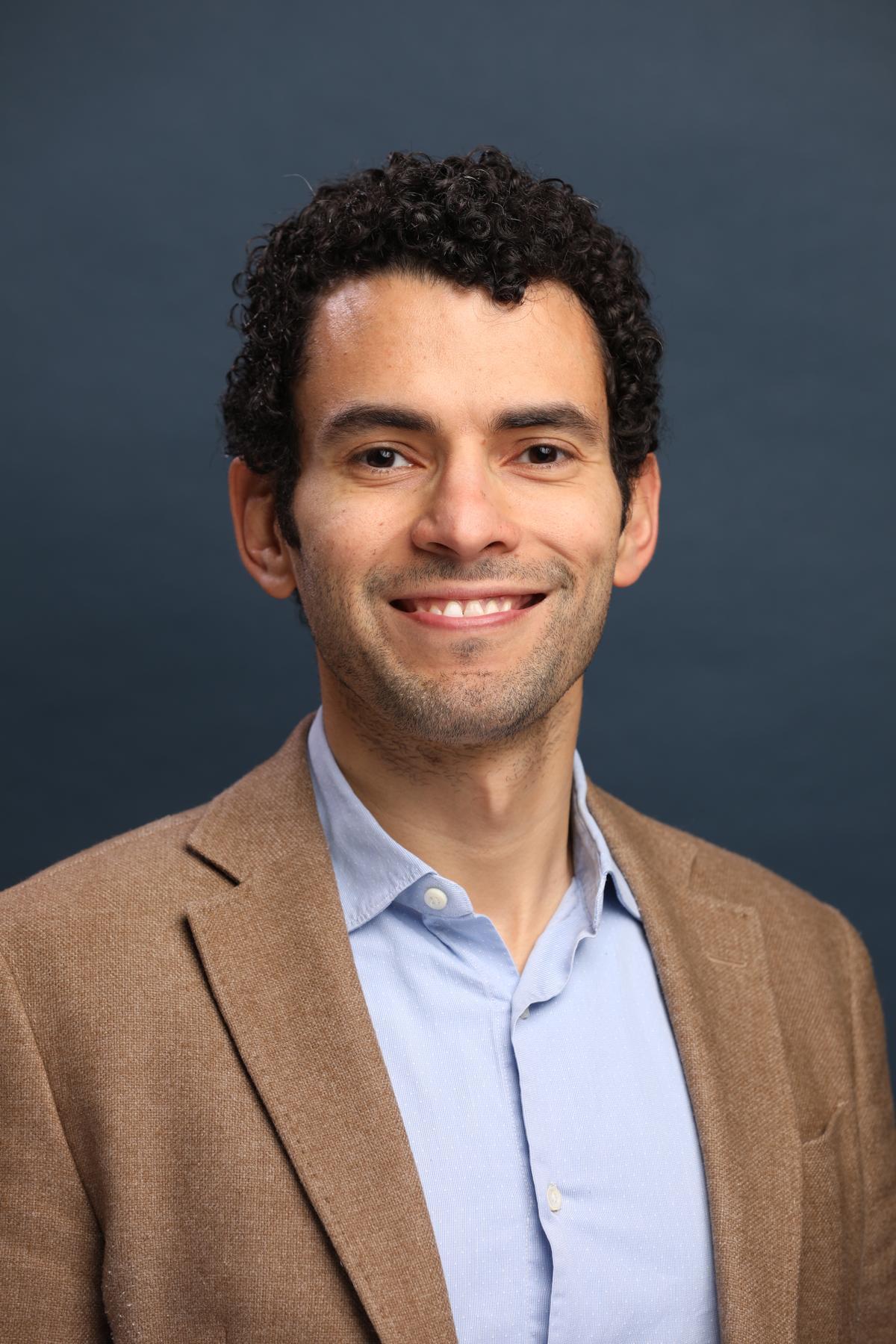
Dr. Fouad El Sayyad
Dr. Fouad El Sayyad is an American Board-Certified ophthalmologist in Cairo specializing in cornea, cataract and refractive surgery. He has performed more than 4,800 cataract operations and over 2,000 refractive procedures, and trained across Egypt, the United States and Europe.
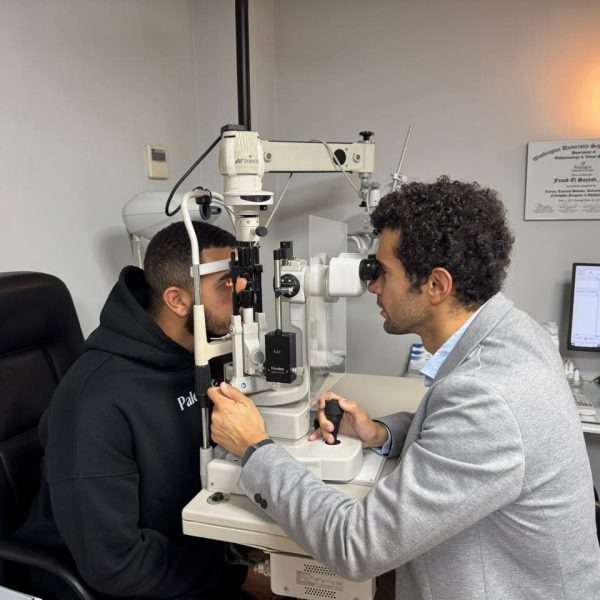
Based in Cairo, he provides advanced medical and surgical eye care for patients with refractive errors, cataracts, keratoconus, corneal disease and complex anterior-segment conditions. His practice covers laser vision correction, premium cataract surgery, implantable lens surgery, keratoconus treatment, ocular surface care and both selective and full-thickness corneal transplantation.
His guiding principle is that not every patient requires surgery, and not every eye is suitable for the same procedure. Every recommendation begins with accurate diagnosis, careful patient selection and clear, honest counseling.
At a Glance
- American Board of Ophthalmology — certified 2018
- 4,800+ cataract surgeries performed
- 2,000+ refractive procedures performed
- Fellowship-trained in Cornea, External Eye Disease and Refractive Surgery — Washington University in St. Louis
- Ophthalmology residency — University of Florida
- Three-year clinical research fellowship — Bascom Palmer Eye Institute
- Alpha Omega Alpha Honor Medical Society — inducted 2017
- Clinical research fellowship in cornea and advanced refractive surgery — Vissum Alicante, Spain (2019)
- 25+ peer-reviewed international publications
- International lecturer across the Middle East and North Africa
- Consultant — Sayyad Eye Center, Mohandeseen & New Cairo
- Refractive surgery consultant — Pro Vision Eye Center, Mivida
- Consultations in Arabic and English
Education and International Training
Dr. Fouad El Sayyad graduated from the Faculty of Medicine at Cairo University before continuing his ophthalmology training in the United States.
He completed a three-year postdoctoral clinical research fellowship at Bascom Palmer Eye Institute at the University of Miami, covering cornea, glaucoma and advanced ophthalmic imaging. This period gave him extensive experience in clinical research, scientific publication, anterior-segment imaging and the evaluation of complex corneal, ocular surface and glaucoma-related conditions.
Bascom Palmer Eye Institute
He then completed a medicine internship followed by an ophthalmology residency at the University of Florida in Gainesville — a high-volume surgical programme in which cataract surgery formed a central part of his training, spanning routine cases through to dense and complex eyes. During his residency he was inducted into the Alpha Omega Alpha Honor Medical Society in 2017, in recognition of academic excellence, professionalism and achievement in medicine.
University of Florida · Alpha Omega Alpha Honor Medical Society
He subsequently completed a fellowship in Cornea, External Eye Disease and Refractive Surgery at Washington University in St. Louis, covering refractive surgery, corneal disease, keratoconus, ocular surface disorders, complex anterior-segment surgery and modern corneal transplantation. In 2018 he became certified by the American Board of Ophthalmology.
Washington University in St. Louis · American Board of Ophthalmology
In 2019 he completed an additional four-month clinical research fellowship in cornea and advanced refractive surgery at Vissum Instituto Oftalmológico de Alicante in Spain, adding a European academic and research perspective to his American surgical training.
Vissum Instituto Oftalmológico de Alicante
The combination of his training has shaped his precise, analytical and evidence-based approach to refractive surgery, cataract surgery and corneal disease.
Refractive Surgery and Vision Correction
Dr. El Sayyad specializes in the evaluation and surgical correction of myopia, hyperopia, astigmatism and age-related difficulty with near vision, having performed more than 2,000 refractive procedures.
His refractive surgery expertise includes:
- SMILE Pro
- Femto-LASIK
- PRK
- PRESBYOND laser blended vision
- Implantable Collamer Lens (ICL) surgery
- Toric ICL surgery
- Vision correction for high refractive errors
- Assessment of patients with thin or irregular corneas
- Vision correction after the age of 40
- Evaluation of patients who have undergone previous refractive surgery
- Management of selected refractive surgery complications
- Enhancement procedures when clinically appropriate
Every patient undergoes a detailed examination before surgery, assessing the cornea, ocular surface and anterior-segment anatomy alongside the prescription. The patient’s age, occupation, lifestyle, expectations and long-term eye health are also considered.
The objective is not simply to determine whether laser vision correction can be performed. It is to identify which option offers the most appropriate balance of safety, precision, recovery and long-term visual quality for each individual eye.
Choosing the Right Refractive Procedure
There is no single refractive surgery procedure that is best for every patient.
SMILE Pro may be an excellent option for suitable patients seeking flapless laser vision correction through a small incision. Femto-LASIK may offer advantages for other prescriptions, corneal profiles or visual requirements, while PRK remains a reliable and effective surface procedure for selected patients.
Patients with high refractive errors, thin corneas or anatomical measurements that make corneal laser surgery less suitable may benefit from an implantable lens such as an ICL. For patients over 40 beginning to experience difficulty with near vision, PRESBYOND laser blended vision may reduce dependence on reading glasses when the eyes and visual system are suitable.
Dr. El Sayyad explains the advantages, limitations, possible risks, expected recovery and realistic outcomes of every appropriate option before treatment is selected.
Advanced Refractive Technology
Dr. El Sayyad performs advanced refractive surgery at Pro Vision Eye Center in Eterna Healthcare City, Mivida, New Cairo, using the ZEISS VisuMax 800 and an integrated diagnostic and refractive platform. The VisuMax 800 represents the latest generation of femtosecond laser technology and is used for SMILE Pro and for creating the corneal flap during Femto-LASIK.
ZEISS VisuMax 800
Advanced diagnostic technology may be used to evaluate:
- Corneal shape and thickness
- Epithelial thickness distribution
- Corneal regularity
- Anterior and posterior corneal surfaces
- Ocular surface health
- Pupil size
- Anterior-segment anatomy
- Suitability for laser vision correction
- Risk factors for corneal weakness or ectasia
- Internal eye measurements when implantable surgery is considered
Technology is an essential part of modern refractive surgery. However, accurate interpretation of the measurements, appropriate patient selection and experienced surgical judgment remain equally important.
ICL and Implantable Lens Surgery
Some patients are not ideal candidates for laser vision correction because of high myopia, high astigmatism, thin corneas, ocular surface concerns or other anatomical factors. For suitable patients, an Implantable Collamer Lens may offer an effective alternative without removing corneal tissue.
Dr. El Sayyad performs ICL and toric ICL surgery. Toric ICLs are designed to correct both the spherical refractive error and astigmatism. Detailed measurements are required before surgery to assess the internal dimensions of the eye, confirm anatomical suitability and select the appropriate lens size and power.
The decision between laser vision correction and an implantable lens is based on the complete examination rather than the prescription alone.
Cataract and Premium Lens Surgery
Dr. El Sayyad performs modern cataract surgery with individualized intraocular lens selection and detailed preoperative planning, having completed more than 4,800 cataract operations. Cataract surgery has been central to his practice since his residency in the United States.
His cataract surgery expertise includes:
- Standard cataract surgery
- Surgery for dense and complex cataracts
- Toric intraocular lenses for astigmatism
- Multifocal and trifocal intraocular lenses
- Extended-depth-of-focus lenses
- Enhanced monofocal lenses
- Cataract surgery after previous LASIK or PRK
- Cataract surgery in patients with corneal disease
- Management of complex anterior-segment cases
- Visual planning for patients seeking reduced dependence on glasses
The goal of cataract surgery is not only to remove the cloudy natural lens. Modern cataract treatment also involves creating an individualized visual plan based on the condition of the eye, the patient’s age, occupation, lifestyle, visual priorities and desired level of spectacle independence.
Not every premium lens is appropriate for every eye. Corneal health, retinal health, optic nerve function, ocular surface quality and the patient’s expectations must all be considered before an intraocular lens is selected.
Keratoconus and Corneal Ectasia
Dr. El Sayyad evaluates and treats patients with keratoconus and other forms of corneal ectasia. Treatment is individualized according to the patient’s age, corneal shape and thickness, disease progression, visual quality and contact lens tolerance.
Management options may include:
- Advanced corneal tomography
- Epithelial thickness mapping
- Long-term monitoring for progression
- Corneal cross-linking
- Intracorneal ring segments
- Topography-guided treatment in selected cases
- Glasses or specialty contact lenses
- Scleral lens planning
- Combined treatment strategies when appropriate
- Corneal surgery in advanced disease
The first priority is to determine whether the condition is stable or progressing. Treatment is then selected to preserve corneal stability, improve functional vision and delay or avoid more invasive surgery whenever possible.
Corneal Disease and Ocular Surface Care
As a cornea specialist, Dr. El Sayyad manages a broad range of corneal and ocular surface conditions, including:
- Corneal infections and infectious keratitis
- Corneal inflammation
- Corneal scarring
- Recurrent corneal erosion
- Dry eye disease
- Ocular surface disorders
- Corneal dystrophies
- Endothelial corneal disease
- Complications of previous eye surgery
Successful management often requires identifying and treating the underlying cause rather than focusing only on the patient’s symptoms. Advanced imaging, microbiological assessment, ocular surface treatment, medical therapy and surgery may all form part of the management plan.
Advanced Corneal Transplantation
Dr. El Sayyad performs modern corneal transplantation and manages patients with advanced corneal disease. His surgical expertise includes:
- DMEK
- DSAEK
- DALK
- Penetrating keratoplasty
- Management of failed or complicated corneal grafts
- Corneal transplantation in eyes with previous glaucoma surgery
- Long-term postoperative graft care
Modern corneal transplantation is not a single operation. Different diseases affect different layers of the cornea, and where appropriate, selective transplantation can replace only the damaged layer while preserving healthy corneal tissue.
DMEK and DSAEK are used for selected diseases affecting the inner endothelial layer. DALK may be appropriate when the deeper endothelial layer remains healthy, while penetrating keratoplasty replaces the full thickness of the cornea when required. The approach is selected according to the affected layer, the condition of the rest of the eye, previous surgery and the patient’s individual visual needs.
Complex Anterior-Segment Cases
Dr. El Sayyad’s corneal and cataract training also covers complex anterior-segment cases, which may combine corneal disease, cataract, previous eye or glaucoma surgery, irregular corneal anatomy, failed grafts, lens-related complications, ocular surface disease and high refractive errors.
These cases often require staged treatment and careful coordination between corneal, cataract, glaucoma or retinal care. The priority is a realistic treatment sequence that protects the eye and addresses the condition most responsible for limiting vision.
Research and Scientific Publications
Dr. El Sayyad has contributed to more than 25 peer-reviewed international scientific publications. His published work has included research in:
- Corneal and ocular surface disease
- Infectious keratitis
- Corneal and anterior-segment imaging
- Keratoconus
- Ocular surface tumors and lesions
- Glaucoma
- Optical coherence tomography
- Refractive and phakic lens surgery
- Corneal graft failure
- Complex anterior-segment disease
His work has appeared in leading international ophthalmology journals including Ophthalmology, the British Journal of Ophthalmology, Cornea, The Ocular Surface and Investigative Ophthalmology & Visual Science.
He has also contributed as a site investigator to two major multicentre randomised clinical trials — the Ahmed Baerveldt Comparison Study and the Tube Versus Trabeculectomy Study — whose findings were published in Ophthalmology and the American Journal of Ophthalmology.
His research experience began during his clinical research fellowships at Bascom Palmer Eye Institute and continued through his subsequent clinical and academic training.
Selected Publications
- Sayyad FE, Karp CL, Wong JR, Weiss MJ, Bermudez-Magner JA, Dubovy S. Marsupialized fungal mycetoma masquerading as conjunctival melanoma. Cornea. 2014 Jul;33(7):744-6. — first author — PMID 24886993
- Alio JL, Montesel A, Sayyad FE, et al. Corneal graft failure: an update. Br J Ophthalmol. 2021 Aug;105(8):1049-1058. — PMID 32788325
- Santos MC, Paley GL, El Sayyad F, Sollenberger EL, Huang AJW. Subconjunctival triamcinolone injection for infectious necrotizing scleritis. Ocul Surf. 2022;26:97-99. — PMID 35952987
- Nanji AA, Sayyad FE, Galor A, Dubovy S, Karp CL. High-resolution optical coherence tomography as an adjunctive tool in the diagnosis of corneal and conjunctival pathology. Ocul Surf. 2015 Jul;13(3):226-35.
- Sayyad FE, Zeglam AT, Agarwal SS. Cat scratch disease imitating a Toxocara granuloma mass of the optic disc. Retina Cases Brief Rep. 2020;14(3):235-238. — first author
- Vargas V, Marinho A, Sayyad FE, Alio Del Barrio J, Alio JL. Safety and visual outcomes following iris-claw phakic intraocular lens bilensectomy. Eur J Ophthalmol. 2021 Jul;31(4):1795-1801.
- Mwanza JC, Sayyad FE, Budenz DL. Choroidal thickness in unilateral glaucoma. Invest Ophthalmol Vis Sci. 2012;53(10):6695-701.
International Lectures and Medical Education
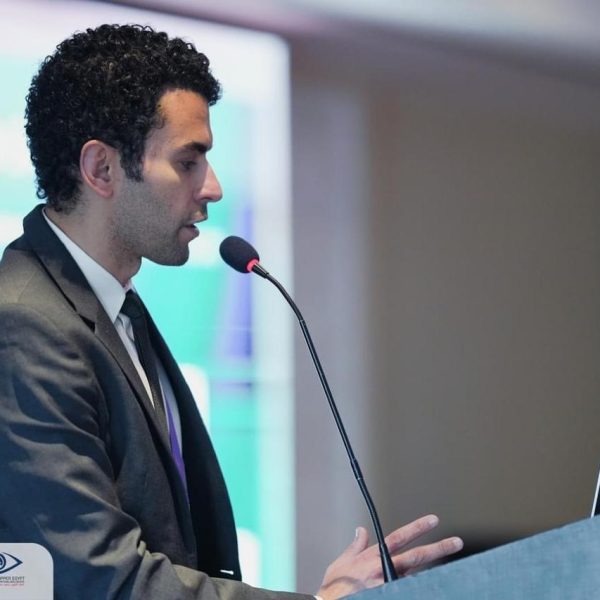
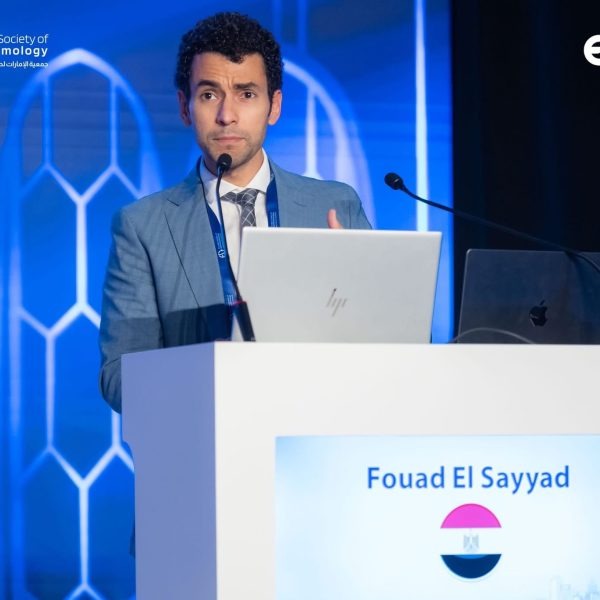
Dr. El Sayyad regularly participates in scientific meetings, educational courses and ophthalmology conferences in Egypt and internationally. He has delivered lectures and presentations in Egypt, Morocco, Tunisia, the United Arab Emirates and Oman, and at international online meetings.
His lecture topics have included:
- Herpes simplex keratitis
- Fungal keratitis
- Endothelial keratoplasty
- Corneal graft failure
- Cataract surgery in patients with endothelial disease
- Glaucoma and endothelial keratoplasty
- Anterior-segment optical coherence tomography
- Ocular surface lesions
- Corneal haze after PRK
- Dry eye disease
- Complications of refractive surgery
- Premium cataract surgery
His presentation on herpes simplex and ocular surface disease received a Best Paper Award in Luxor in 2025. His presentation on subconjunctival triamcinolone for infectious necrotizing scleritis received a Best Paper Award at the Alexandria Ophthalmology Summit in 2022.
He remains committed to medical education, scientific exchange and presenting complex ophthalmic topics in a practical and clinically useful way.
Community Service
During his research training at Bascom Palmer Eye Institute and the University of Miami, Dr. El Sayyad participated in community ophthalmology vision screenings and health education for underserved communities. This experience reinforced his belief that access to clear medical information, early diagnosis and preventive eye care can have a meaningful effect on long-term visual health.
A Personalized and Evidence-Based Approach
Successful eye surgery begins before the patient enters the operating room. Accurate diagnosis, careful interpretation of investigations and appropriate patient selection are essential to safe and predictable outcomes.
During the consultation, patients receive a clear explanation of:
- Their examination findings
- The available treatment options
- The reasons behind the recommended plan
- The possible risks and limitations
- The expected recovery
- Realistic short-term and long-term outcomes
- Appropriate alternatives, including observation when surgery is not necessary
From the first examination through surgery and postoperative follow-up, the emphasis remains on safety, precision, communication and long-term visual quality.
Qualifications and Training
- Medical Degree in Medicine and Surgery — Cairo University
- Transitional Internship — Cairo University
- Postdoctoral Research Fellow in Glaucoma — Bascom Palmer Eye Institute
- Postdoctoral Research Fellow in Cornea — Bascom Palmer Eye Institute
- Medicine Internship — University of Florida
- Ophthalmology Residency — University of Florida
- Alpha Omega Alpha Honor Medical Society — inducted 2017
- Fellowship in Cornea, External Eye Disease and Refractive Surgery — Washington University in St. Louis
- American Board of Ophthalmology — certified 2018
- Clinical Research Fellowship in Cornea and Advanced Refractive Surgery — Vissum Instituto Oftalmológico de Alicante, Spain (2019)
Current Clinical Appointments
- Cornea and Anterior-Segment Consultant — Sayyad Eye Center
- Cataract, Cornea and Refractive Surgery Consultant — Sayyad Eye Center
- Refractive Surgery Consultant — Pro Vision Eye Center
Professional Memberships
- American Academy of Ophthalmology
- American Society of Cataract and Refractive Surgery
- European Society of Cataract and Refractive Surgeons
- International Society of Refractive Surgery
- International Keratoconus Society
- Alpha Omega Alpha Honor Medical Society
Clinical Locations
Sayyad Eye Center — Mohandeseen
Consultations and surgical care for corneal disease, cataracts, refractive errors, keratoconus and complex anterior-segment conditions.
Sayyad Eye Center — New Cairo
Consultations, advanced diagnostic imaging and surgical planning.
Pro Vision Eye Center — Mivida, New Cairo
Advanced refractive surgery and vision-correction procedures at Eterna Healthcare City. Procedures include SMILE Pro, Femto-LASIK, PRK, PRESBYOND and implantable lens surgery using advanced ZEISS refractive technology.
Frequently Asked Questions
What is Dr. Fouad El Sayyad’s specialty?
He is an ophthalmologist and consultant specializing in cornea, cataract and refractive surgery. His work includes laser vision correction, premium cataract surgery, implantable lens surgery, keratoconus treatment, corneal transplantation and complex anterior-segment care.
Is Dr. Fouad El Sayyad American Board-Certified?
Yes. He became certified by the American Board of Ophthalmology in 2018 after completing his ophthalmology residency and cornea and refractive surgery fellowship in the United States.
How many cataract surgeries has he performed?
More than 4,800. Cataract surgery has been central to his practice since his residency at the University of Florida, a high-volume US surgical training programme, and he performs both routine and complex cases including premium intraocular lens implantation.
How many refractive surgeries has he performed?
More than 2,000, including SMILE Pro, Femto-LASIK, PRK, PRESBYOND and Implantable Collamer Lens surgery.
Where did Dr. Fouad El Sayyad train?
He graduated from Cairo University and continued his training in the United States — research fellowships at Bascom Palmer Eye Institute, a medicine internship and ophthalmology residency at the University of Florida, and a fellowship in Cornea, External Eye Disease and Refractive Surgery at Washington University in St. Louis. He also completed a clinical research fellowship at Vissum Alicante in Spain in 2019.
What refractive surgery procedures does he perform?
SMILE Pro, Femto-LASIK, PRK, PRESBYOND, ICL and toric ICL surgery. The recommended procedure is selected according to the patient’s prescription, corneal measurements, ocular surface, age, lifestyle and visual needs.
Does he perform cataract surgery?
Yes. He performs standard and complex cataract surgery and offers individualized intraocular lens planning, including toric, multifocal, trifocal, extended-depth-of-focus and enhanced monofocal lenses.
Does he treat keratoconus?
Yes. He evaluates and treats keratoconus using advanced corneal imaging, long-term monitoring, corneal cross-linking, intracorneal ring segments, topography-guided treatment in selected cases and specialty contact lens planning.
Does he perform corneal transplantation?
Yes. His expertise includes DMEK, DSAEK, DALK and penetrating keratoplasty. The appropriate procedure is selected according to the affected corneal layer and the overall condition of the eye.
Where does he see patients?
At Sayyad Eye Center in Mohandeseen and New Cairo, and at Pro Vision Eye Center in Mivida, New Cairo.
Does he treat international patients?
Yes. Patients from Egypt and abroad are welcome. Consultations are available in Arabic and English.
Book a Consultation
Patients seeking refractive surgery, cataract surgery, keratoconus treatment, corneal transplantation or advanced corneal care can undergo a comprehensive evaluation with Dr. Fouad El Sayyad.
The purpose of the consultation is to establish an accurate diagnosis, review the available options and identify the treatment best suited to the condition of the eye and the patient’s visual needs.
Consultations are available in Arabic and English at Sayyad Eye Center and Pro Vision Eye Center in Cairo.
Publications & Presentations
Subconjunctival Triamcinolone Injection for Infectious Necrotizing Scleritis - Santos MC, Paley GL, El Sayyad F, et al. Ocul Surf.
Safety and Visual Outcomes Following Iris-Claw Phakic Intraocular Lens Bilensectomy - Vargas V, Marinho A, Sayyad FE, et al. Eur J Ophthalmol.
Corneal Graft Failure: An Update - Alio JL, Montesel A, Sayyad FE, et al. Br J Ophthalmol.
Cat Scratch Disease Imitating a Toxocara Granuloma Mass of the Optic Disc - Sayyad FE, Zeglam AT, Agarwal SS. Retina Cases Brief Rep.
Postoperative Complications in the Ahmed Baerveldt Comparison Study - Budenz DL, Feuer WJ, Barton K, et al. Am J Ophthalmol.
High-Resolution Optical Coherence Tomography in Corneal & Conjunctival Pathology - Nanji AA, Sayyad FE, Galor A, et al. Ocul Surf.
Conference Highlights
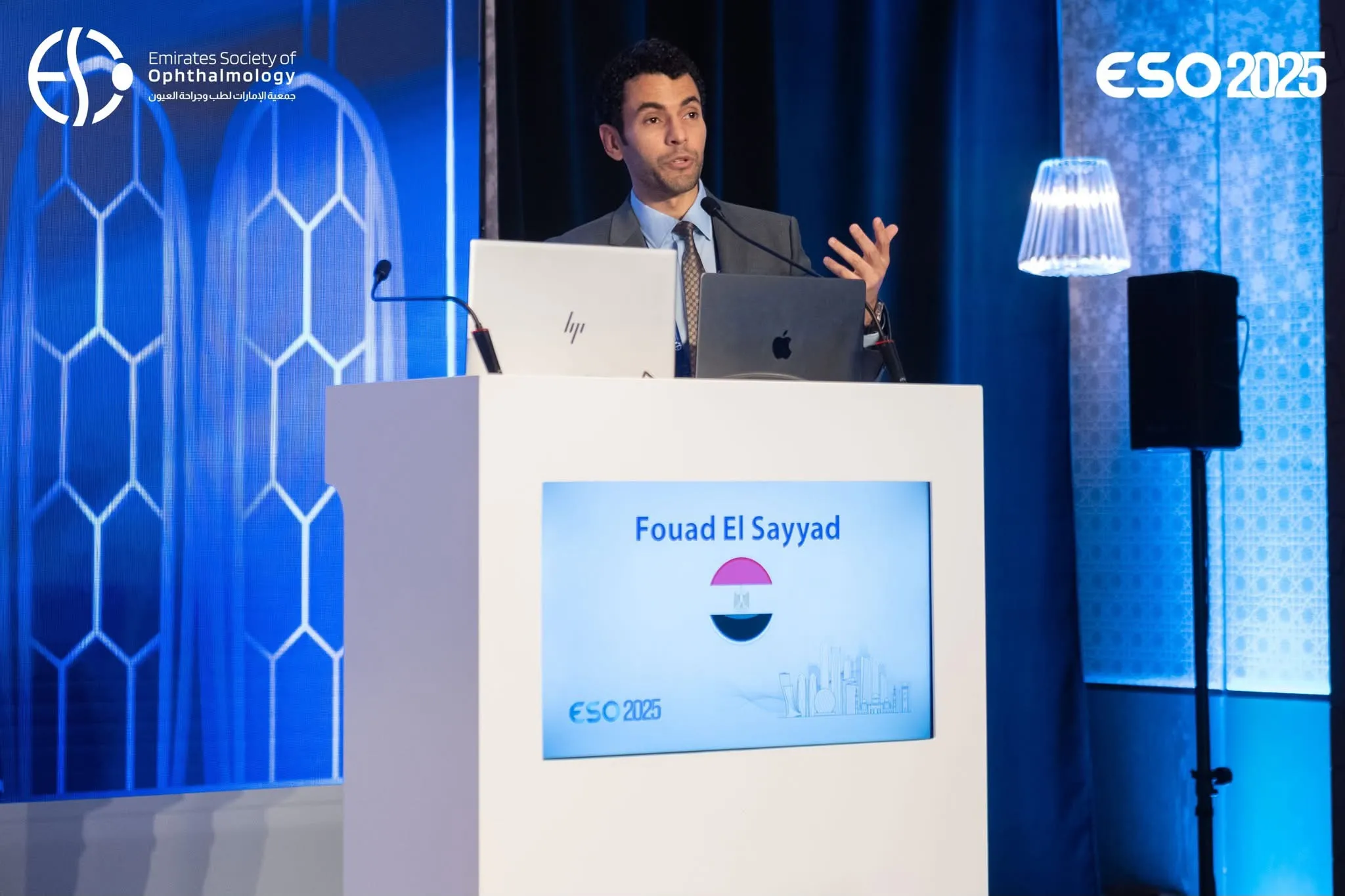
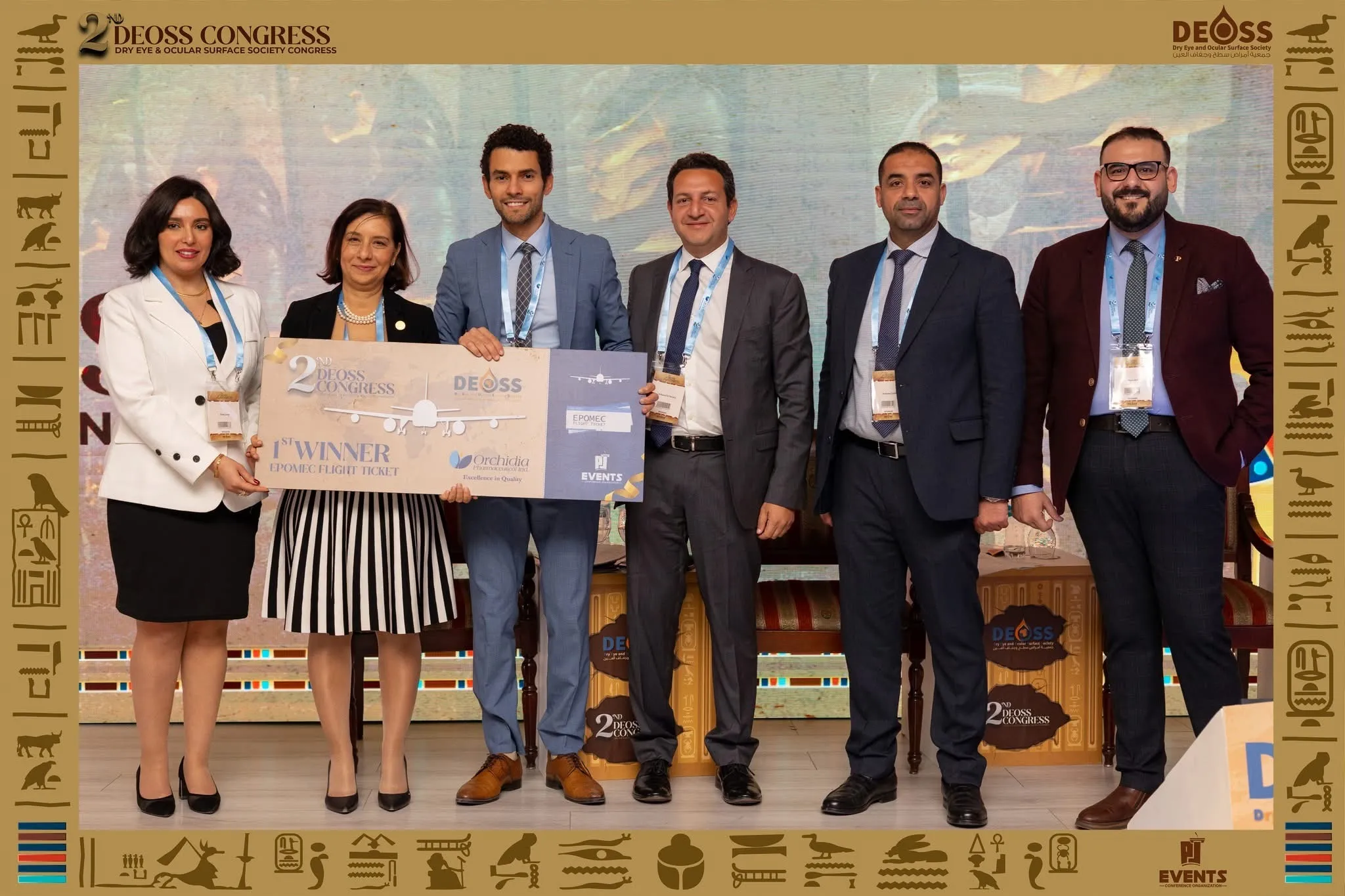
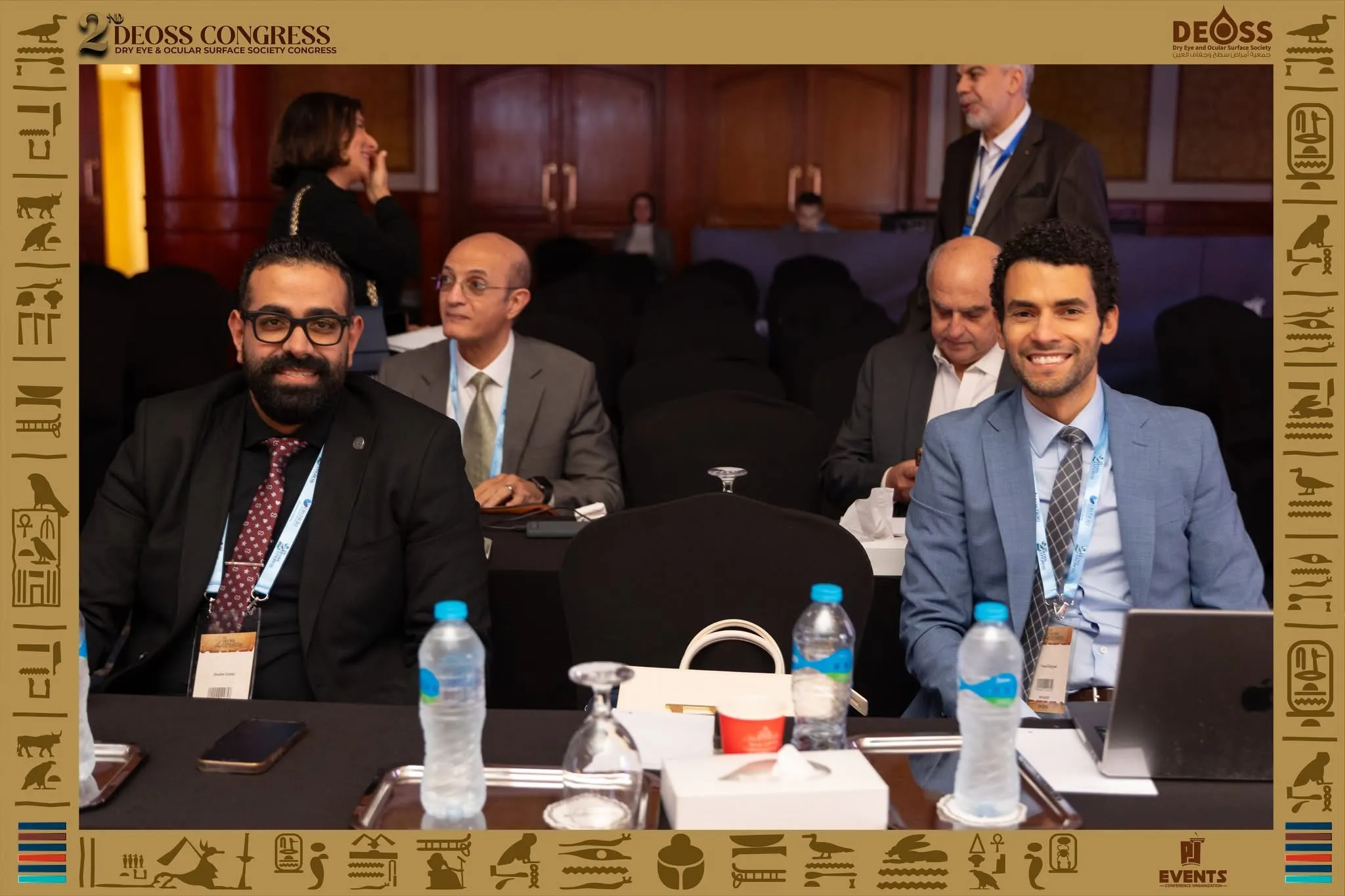
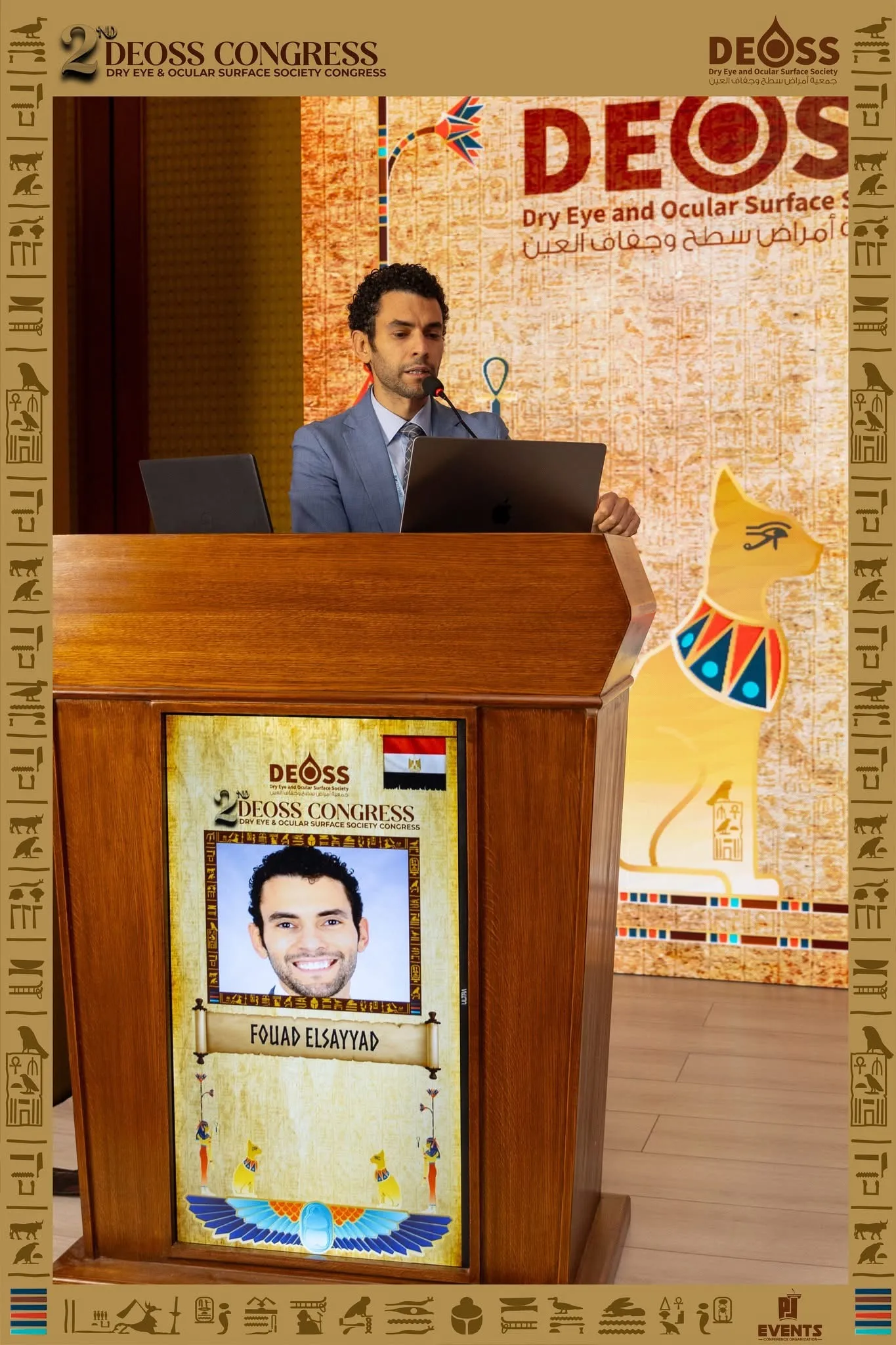
Oral Presentations
Corneal Graft Failure - A Therapeutic Approach - Emirates Society of Ophthalmology, Abu Dhabi
Herpes Simplex Viral Keratitis - Egyptian Ophthalmology Society, Cairo, Egypt
OCT as an Adjunctive Tool in the Diagnosis of Ocular Surface Lesions - Congres Nacional Samir, Rabat, Morocco
Premium Cataract Surgery Course - Rabat, Morocco
Glaucoma and Endothelial Keratoplasty - STO Conference, Tunis
Challenges of Endothelial Keratoplasty in Glaucoma - Egyptian Society of Glaucoma, Cairo
Subconjunctival Triamcinolone Injection for Infectious Necrotizing Scleritis - Alex Ophthalmology Summit (Best Paper Award)