
Laser cataract surgery has become one of the most advanced technologies in the field of ophthalmic procedures. It offers high precision in performing certain surgical steps and helps improve visual outcomes and recovery speed for suitable patients. With the increasing demand for this technology, many patients wonder about the difference between laser-assisted surgery and traditional cataract surgery, its safety, who is eligible for it, and whether it provides better long-term results.
In this article, we will cover everything you need to know about laser cataract surgery, including how it is performed, the difference between femtosecond laser surgery and traditional phacoemulsification, its main benefits, types of intraocular lenses used, surgical steps, recovery period, and important post-operative instructions. We will also answer common questions such as: When does vision stabilize after cataract surgery? What are the signs of cataract surgery failure? Can cataracts be treated without surgery? What factors affect the cost of the procedure? In addition, we will explain why Dr. Fouad El-Sayyad is considered one of the leading specialists in cataract surgery and advanced lens implantation.
Laser Cataract Surgery
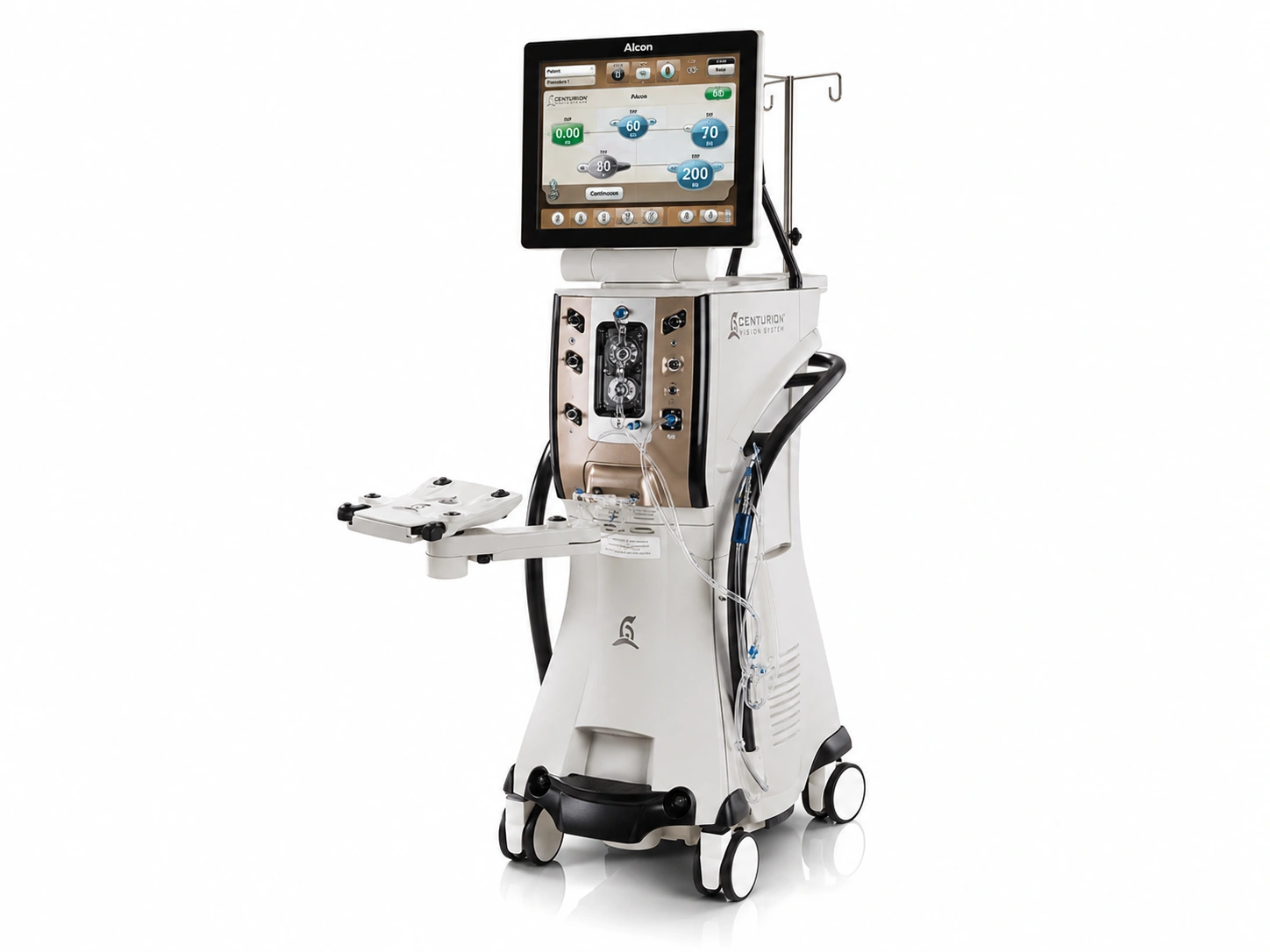
Laser cataract surgery is one of the latest techniques used to treat cataracts. It relies on femtosecond laser technology to perform certain precise steps of the procedure, improving surgical accuracy and reducing dependence on manual surgical instruments during specific stages.
Although removing the cloudy lens is still performed using ultrasound technology (phacoemulsification) in most cases, the laser helps improve the accuracy of corneal incisions, create the anterior capsulotomy, and fragment the cloudy lens before removal. This can contribute to faster recovery and better visual outcomes for patients who are suitable candidates for this type of surgery.
Dr. Fouad El-Sayyad, Consultant of Ophthalmology and Eye Surgery and holder of the American Board certification, carefully evaluates each case to determine whether laser cataract surgery is the most suitable option. He also selects the appropriate intraocular lens for each patient to achieve the best possible visual quality.
During the consultation, the doctor answers common patient concerns, including: When does vision stabilize after cataract surgery? What are the signs of cataract surgery failure that require medical attention? This ensures that patients fully understand every stage of their treatment journey before undergoing surgery.
What Is Laser Cataract Surgery (Femtosecond Cataract Surgery)?
Laser cataract surgery, also known as Femtosecond Laser-Assisted Cataract Surgery (FLACS), is an advanced technique that uses a femtosecond laser device to perform specific precise steps of cataract surgery with computer-guided accuracy.
After these laser-assisted steps, the surgeon completes the procedure by removing the cloudy lens using phacoemulsification and implanting the appropriate artificial lens.
This technology allows the laser to perform the following:
-
Creating surgical incisions with exceptional precision.
-
Opening the anterior lens capsule in a perfectly circular and controlled manner.
-
Fragmenting the cloudy lens into smaller pieces before ultrasound removal.
-
Reducing the amount of ultrasound energy required during lens removal, which may be beneficial for some patients, especially those with sensitive corneas or dense cataracts.
It is important to understand that laser cataract surgery does not mean that the laser completely removes the cataract. Instead, it assists the surgeon in performing specific stages of the procedure with greater accuracy, while the surgeon remains the key factor in achieving successful results and selecting the most suitable intraocular lens.
Before surgery, the doctor also explains what patients can expect after the procedure, when vision improvement usually begins, when vision stabilizes after cataract surgery, and the warning signs of cataract surgery failure that require immediate medical evaluation. These complications are uncommon when surgery is performed by an experienced specialist.
Difference Between Laser Cataract Surgery and Traditional Surgery
Some patients believe that laser cataract surgery is completely different from traditional cataract surgery. However, both techniques share the same goal: removing the cloudy natural lens and replacing it with an artificial intraocular lens.
The main difference lies in the method used to perform certain surgical steps, not in the final goal of the procedure.
The following table highlights the key differences between the two techniques:
Comparison Point
Laser Cataract Surgery
Traditional Surgery (Phaco)
Creating surgical incisions
Using femtosecond laser technology
Using precise surgical instruments
Opening the lens capsule
Performed with high laser precision
Performed manually by the surgeon
Lens fragmentation
Performed by laser before phacoemulsification
Performed directly using ultrasound energy
Amount of phaco energy
Lower in many cases
May be relatively higher
Precision of certain steps
Higher due to laser assistance
Depends mainly on surgeon expertise
Final visual outcome
Similar in most cases when performed correctly
Similar with high success rates
Despite the technological advantages offered by laser cataract surgery, recent studies indicate that final visual outcomes and surgical success rates are very similar between laser-assisted surgery and traditional phacoemulsification when both are performed by an experienced surgeon.
Therefore, choosing the appropriate technique depends on the patient's eye condition, the type of implanted lens, and the surgeon’s assessment of what best suits each individual case.
Benefits of Laser Cataract Surgery
Laser cataract surgery has significantly advanced the field of eye surgery by providing greater precision during certain surgical stages compared with traditional methods.
However, the success of the procedure does not depend on the laser alone. It also relies on the surgeon’s experience, accurate pre-operative examinations, and selecting the right lens for each patient.
The main benefits of laser cataract surgery include:
-
Greater precision during surgical steps: The femtosecond laser performs corneal incisions and lens capsule opening with high accuracy based on pre-programmed measurements.
-
Reduced use of ultrasound energy: The laser helps divide the lens before removal, decreasing the amount of energy needed during phacoemulsification, which may help protect corneal tissues in certain cases.
-
Improved accuracy when implanting advanced lenses: Precise creation of the anterior capsule opening helps ensure better positioning and stability of premium intraocular lenses.
-
Less manipulation inside the eye: Since the laser performs part of the surgical process, fewer manual steps may be required inside the eye.
-
More accurate correction of mild astigmatism: In some patients, laser-assisted corneal incisions can help reduce pre-existing astigmatism during surgery.
-
Faster recovery for many patients: Due to improved surgical precision and reduced impact on eye tissues, many patients begin regaining vision during the first few days. However, the answer to when vision stabilizes after cataract surgery varies depending on the eye condition and the implanted lens type.
Despite these advantages, the doctor determines whether laser cataract surgery is the best option, as many patients can also achieve excellent results using traditional phacoemulsification.
Who Are the Candidates for Laser Cataract Surgery?
Not every cataract patient requires laser cataract surgery. Choosing this technique depends on a comprehensive eye examination, the severity of lens clouding, corneal condition, and the patient’s visual needs after surgery.
The most suitable candidates for this type of surgery include:
-
Patients with cataracts who want to benefit from advanced surgical technologies.
-
Individuals who are candidates for premium intraocular lenses, such as multifocal lenses or astigmatism-correcting lenses.
-
Patients with mild astigmatism that can be corrected during cataract surgery.
-
Cases that require the highest level of precision during specific surgical steps.
-
Patients who do not have medical conditions that prevent the use of femtosecond laser technology.
On the other hand, laser cataract surgery may not be suitable for some patients, including those with severe corneal opacity, difficulty maintaining eye stability during the laser procedure, or certain anatomical conditions identified during the medical examination.
Therefore, the final decision depends on a comprehensive evaluation performed by Dr. Fouad El-Sayyad, who explains all available treatment options and discusses expected outcomes with each patient before surgery.
Types of Lenses Used in Laser Cataract Surgery
The success of laser cataract surgery does not depend only on removing the cloudy lens. It also depends on selecting the most suitable artificial lens, as the implanted lens directly affects the quality of vision after surgery.
The most common types of intraocular lenses include:
Monofocal IOL
Monofocal lenses are the most commonly used option during laser cataract surgery. They are designed to provide clear vision at one specific distance, usually far vision.
Most patients can perform daily activities such as walking or driving with improved clarity. However, they may still need reading glasses for close-up activities, using a smartphone, or detailed work.
These lenses are known for their predictable results and high success rates, making them suitable for many patients looking for an effective and affordable solution to restore vision.
Multifocal IOL
Multifocal lenses are designed to provide clear vision at near, intermediate, and far distances, helping many patients reduce their dependence on glasses after laser cataract surgery.
These lenses work by distributing light across multiple focus points, allowing greater flexibility for daily activities such as reading, computer work, and driving.
However, they are not suitable for every patient. Choosing multifocal lenses requires a careful evaluation of eye health and the patient’s specific visual needs.
Extended Depth of Focus (EDOF) IOL
Extended Depth of Focus (EDOF) lenses provide a wider range of vision compared with traditional monofocal lenses while reducing some visual symptoms, such as halos and glare, that may occur with some multifocal lens users.
They are a suitable option for patients who want good distance and intermediate vision while reducing dependence on glasses for most daily activities. Some patients may still require reading glasses for fine print or detailed near tasks.
Toric IOL for Astigmatism Correction
Toric intraocular lenses are used for patients who have astigmatism along with cataracts. They help correct refractive errors during laser cataract surgery without requiring an additional procedure in many cases.
This type of lens can improve visual sharpness and reduce dependence on glasses after surgery. However, successful results depend on accurate eye measurements and precise lens positioning.
Dr. Fouad El-Sayyad carefully selects the most suitable lens after performing detailed eye measurements and discussing the patient’s lifestyle needs, whether the goal is reducing dependence on glasses or achieving the best possible vision at specific distances.
Steps of Laser Cataract Surgery at Dr. Fouad El-Sayyad’s Center
Laser cataract surgery is performed through carefully planned steps designed to ensure maximum accuracy and safety.
Dr. Fouad El-Sayyad performs a comprehensive examination before surgery to determine the most suitable lens type and create a personalized treatment plan for each patient.
Although laser technology is used during certain stages of the procedure, the surgeon’s expertise remains the most important factor in achieving optimal results.
The procedure is performed through the following steps:
1. Comprehensive Eye Examination and Measurements Before Surgery
Before surgery, several detailed examinations are performed, including measuring the power of the artificial lens, evaluating the cornea and retina, and measuring eye pressure.
These tests help determine the best treatment plan and select the most appropriate intraocular lens.
2. Local Anesthesia and Eye Preparation
Anesthetic eye drops are used to numb the eye, and general anesthesia is usually not required.
The eye is carefully sterilized, and the eyelids are gently held open using a special device to keep the eye stable throughout the procedure.
3. Performing the Femtosecond Laser Steps
The femtosecond laser device performs several precise steps, including:
-
Creating surgical incisions.
-
Opening the anterior lens capsule in a perfectly controlled pattern.
-
Fragmenting the cloudy lens into smaller pieces to make removal easier.
4. Removing the Cloudy Lens Using Phacoemulsification
After completing the laser-assisted steps, the surgeon uses the phacoemulsification device to remove the fragmented cloudy lens using ultrasound energy.
The amount of ultrasound energy required may be reduced because the lens has already been divided by the laser.
5. Implanting the Artificial Lens
After removing the natural cloudy lens, the selected intraocular lens is implanted inside the lens capsule.
The surgeon ensures that the lens is properly positioned and stable to achieve the best possible visual quality.
6. Completing the Procedure and Follow-Up
Laser cataract surgery usually does not require stitches in most cases.
Before the patient leaves the center, the doctor examines the eye and explains instructions regarding eye drops, follow-up appointments, and symptoms that should be monitored during the first days after surgery.
These include warning signs of cataract surgery failure that require immediate medical consultation, although such complications are uncommon.
The procedure usually takes between 15 and 30 minutes. The answer to when vision stabilizes after cataract surgery varies from one patient to another, but most patients experience gradual improvement during the first days, with vision becoming stable within several weeks depending on eye condition and lens type.
Is Laser Cataract Surgery Painful?
Many patients wonder whether laser cataract surgery causes pain during the procedure. In most cases, the surgery is considered painless because it is performed under local anesthesia using numbing eye drops.
A mild sedative may also be provided for some patients if needed to help them feel more comfortable and relaxed.
During the procedure, patients may feel slight pressure or a sensation of instruments touching the eye, but they typically do not experience actual pain.
After surgery, some mild and temporary symptoms may appear during the first hours or days, including:
-
A mild sensation of having a foreign object in the eye.
-
Slight tearing or burning sensation.
-
Temporary sensitivity to light.
-
Mild blurred vision that gradually improves.
These symptoms usually improve gradually with proper use of prescribed eye drops and following the doctor’s instructions.
However, if the patient experiences severe pain, sudden vision loss, or increasing redness, these symptoms may indicate signs of cataract surgery failure or other complications that require urgent medical evaluation.
Recovery Time After Laser Cataract Surgery
Laser cataract surgery is known for its relatively fast recovery compared with many other eye procedures. However, the healing period varies from one person to another depending on several factors, including eye health before surgery, the type of implanted lens, and adherence to post-operative instructions.
The typical recovery timeline is as follows:
-
Within the first 24 hours: Most patients begin noticing initial vision improvement, although mild blurriness may still be present.
-
During the first week: Inflammation and discomfort gradually decrease, and vision quality improves significantly.
-
Within 2 to 4 weeks: The eye becomes more stable, and patients can usually return to most daily activities according to the doctor’s recommendations.
-
Within 4 to 8 weeks: Most patients reach stable vision, and the doctor determines whether glasses are still needed in certain cases.
Many patients ask: When does vision stabilize after cataract surgery?
In most cases, vision becomes stable within 4 to 8 weeks. However, this period may be shorter or longer depending on the condition of the eye, the type of implanted lens, and the presence of other health conditions such as diabetes or retinal diseases.
Therefore, regular follow-up appointments and using prescribed eye drops as directed are among the most important factors for achieving successful laser cataract surgery outcomes and obtaining the best possible visual results.
Important Tips After Laser Cataract Surgery for Better Vision
The success of laser cataract surgery largely depends on the patient’s commitment to following medical instructions during the recovery period.
These guidelines help promote proper healing, reduce the risk of infection or inflammation, and improve the final quality of vision. Following these recommendations also reduces the possibility of developing signs of cataract surgery failure or unexpected complications.
To achieve the best possible results after surgery, Dr. Fouad El-Sayyad recommends:
-
Using prescribed eye drops according to the recommended schedule and not stopping them without consulting the doctor.
-
Avoiding rubbing or applying pressure to the eye during the first weeks after surgery.
-
Wearing an eye shield while sleeping during the first days if recommended by the doctor.
-
Avoiding getting water or soap into the eye during the period specified by the doctor.
-
Avoiding heavy lifting or intense physical activities until medical approval is given.
-
Wearing sunglasses outdoors to protect the eye from dust and ultraviolet rays.
-
Attending all follow-up appointments even if vision appears normal, to ensure proper healing.
Patients should contact the doctor immediately if they experience severe pain, sudden vision deterioration, increasing redness, or unusual discharge, as these may be signs of cataract surgery failure or complications requiring quick intervention.
By following these instructions, most patients experience a safe recovery period and achieve the best possible results after laser cataract surgery.
Success Rate of Laser Cataract Surgery in Egypt
Laser cataract surgery is considered one of the most successful eye surgeries worldwide.
Studies indicate that more than 95% of patients experience significant improvement in vision after cataract surgery when there are no other eye conditions affecting vision, such as diabetic retinopathy or age-related macular degeneration.
The success rate does not depend only on using laser technology. It is also influenced by several important factors, including:
-
The surgeon’s experience and skill in performing cataract procedures.
-
The accuracy of pre-operative examinations and eye measurements.
-
Selecting the most appropriate artificial lens.
-
The health condition of the cornea, retina, and optic nerve.
-
The patient’s commitment to post-operative instructions and regular follow-up visits.
Therefore, choosing a specialized surgeon such as Dr. Fouad El-Sayyad, along with following all medical recommendations, plays an important role in achieving optimal results and reducing the risk of complications.
Cost of Laser Cataract Surgery and Factors Affecting the Price
The cost of laser cataract surgery varies from one patient to another because it depends on several medical and technical factors, not only the use of laser technology.
These factors include the type of artificial lens, eye condition, equipment used, surgeon experience, and the level of the medical center.
Generally, the cost of laser cataract surgery in Egypt during 2026 ranges between 10,000 and 17,000 Egyptian pounds per eye. The cost may increase when advanced lenses are used, such as multifocal lenses or astigmatism-correcting lenses.
The final cost is affected by:
-
The type of implanted intraocular lens.
-
The use of femtosecond laser technology.
-
The surgeon’s experience and medical team.
-
The level of equipment available at the center.
-
Pre-operative examinations and post-operative follow-up.
Therefore, patients should not choose a laser cataract surgery provider based on price alone. It is important to consider the surgeon’s expertise, diagnostic accuracy, and the quality of lenses and technology used, as these factors directly affect surgical success and visual quality after the procedure.
To receive an accurate evaluation of your condition and determine the appropriate cost based on the suitable lens type and surgical technique, you can schedule a consultation with Dr. Fouad El-Sayyad for a comprehensive eye examination and a personalized treatment plan.
Dr. Fouad El-Sayyad: International Expertise in Cataract Surgery and Advanced Lens Implantation
The success of laser cataract surgery depends on more than just using the latest technology. The surgeon’s experience, accurate diagnosis, and selecting the right intraocular lens for each patient are the key factors that make a real difference in surgical outcomes.
For this reason, Dr. Fouad El-Sayyad is considered one of the distinguished specialists in cataract surgery and vision correction, thanks to his extensive experience, American Board certification in ophthalmology, and commitment to using the latest international techniques in treating lens-related eye conditions.
The main advantages patients receive when undergoing laser cataract surgery with Dr. Fouad El-Sayyad include:
-
Advanced scientific and practical expertise in cataract surgery and different types of intraocular lens implantation, while following the latest international medical guidelines.
-
Comprehensive pre-operative examinations using advanced diagnostic devices to evaluate the lens, cornea, and retina, helping determine the most suitable technique and lens for each case.
-
Using the latest femtosecond laser and phacoemulsification technologies to achieve maximum precision during surgery and reduce stress on eye tissues.
-
Providing a wide range of advanced intraocular lenses, including monofocal lenses, multifocal lenses, extended depth of focus lenses, and astigmatism-correcting lenses, according to each patient’s visual needs and lifestyle.
-
Developing a personalized treatment plan for every patient based on their health condition and visual requirements instead of applying the same approach to all cases.
-
Careful post-operative follow-up to monitor recovery progress, answer patient questions such as when vision stabilizes after cataract surgery, and ensure that no complications or signs of cataract surgery failure appear.
-
Maintaining the highest standards of quality and safety inside the medical center through the use of modern equipment and strict sterilization procedures to provide the best treatment experience.
-
Educating patients before and after surgery by explaining all procedure details and providing instructions that help achieve faster recovery and better visual outcomes.
Conclusion
Laser cataract surgery is one of the safe and effective medical solutions that can help restore clear vision and allow patients to return to their normal lifestyle without the limitations caused by cataracts.
With the continuous development of eye surgery technologies, the procedure has become faster, more precise, and capable of achieving excellent results in most cases.
If you are looking for trusted medical care and advanced expertise, do not hesitate to contact Dr. Fouad El-Sayyad to receive an accurate diagnosis and a suitable treatment plan tailored to your visual needs.
Take the first step toward clearer vision and a more comfortable life.
Frequently Asked Questions
What should patients do after laser cataract surgery?
After laser cataract surgery, patients should follow the prescribed eye drop schedule, avoid rubbing the eye, and prevent water from entering the eye during the first days after surgery.
It is also recommended to wear protective glasses when needed, avoid lifting heavy objects or performing strenuous activities, and attend all follow-up appointments to ensure proper healing and detect any complications early.
How long does laser cataract surgery take?
Laser cataract surgery usually takes between 15 and 30 minutes for one eye.
However, patients typically stay at the medical center for a slightly longer period to complete pre-operative preparation and post-operative examination.
Most patients can return home on the same day without requiring hospital admission.
Can cortisone cause cataracts?
Yes, prolonged or repeated use of cortisone, especially in the form of tablets, injections, or eye drops without medical supervision, may increase the risk of developing cataracts.
It may also increase eye pressure in some patients.
Therefore, cortisone medications should only be used under medical supervision and according to the recommended dosage.
Do cataracts cause headaches?
Cataracts are not usually a direct cause of headaches. However, they may cause visual strain due to blurred vision and the need to make extra effort to focus, which can lead to headaches in some people.
If headaches are severe or accompanied by eye pain or sudden vision loss, an ophthalmologist should be consulted to rule out other possible causes.

Book an Eye Consultation Appointment | Dr. Fouad El Sayyad
Book now