
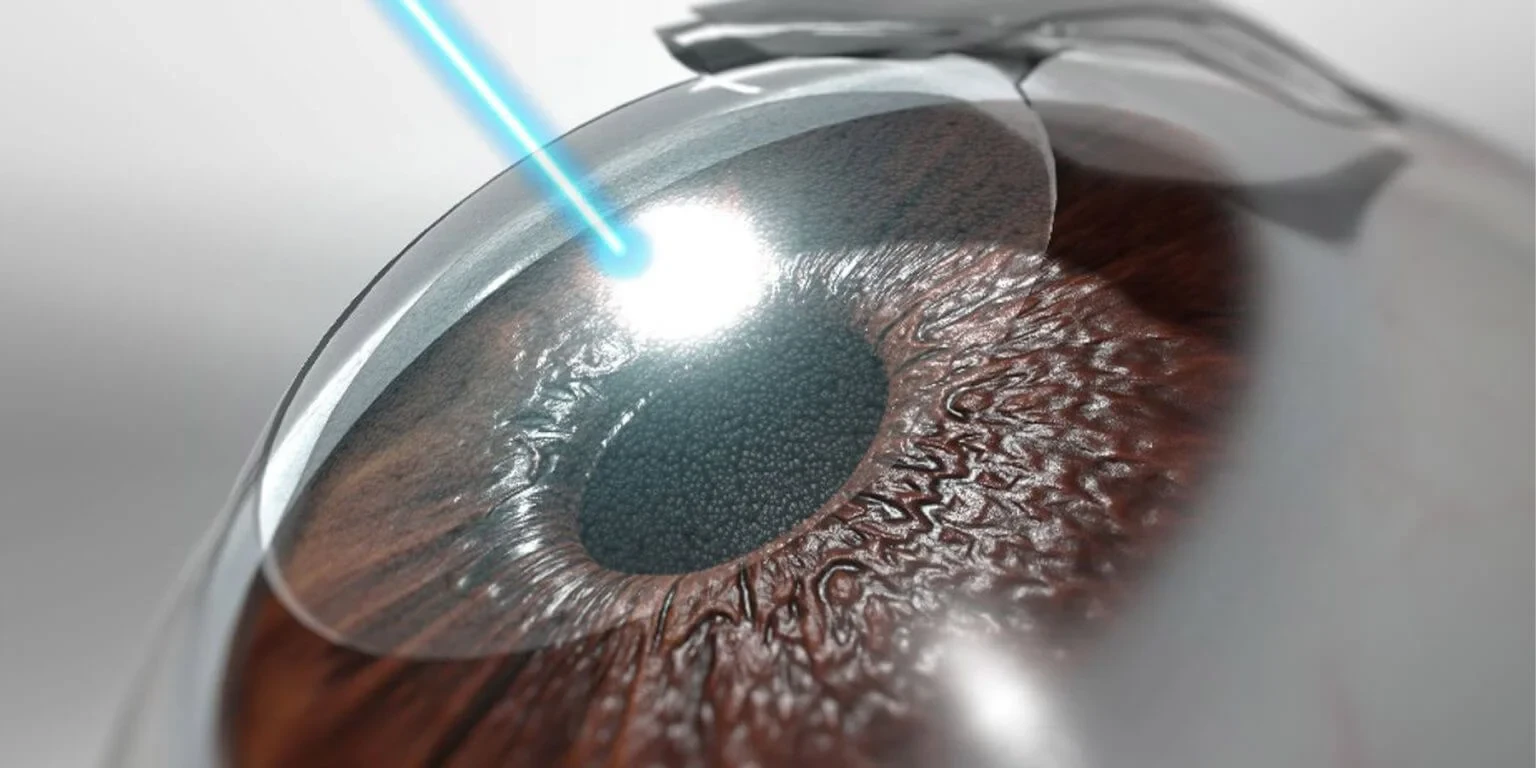
Understanding LASIK surgery complications is one of the most important steps every patient should take before deciding to undergo laser vision correction. Although LASIK eye surgery is considered safe and effective for most suitable candidates, knowing the possible risks — whether common or rare — helps patients make an informed decision and prepare properly for the recovery process.
In this comprehensive guide, we will discuss LASIK complications in detail, starting with common side effects after surgery such as dry eyes and blurred vision, followed by rare complications including corneal infections and LASIK flap-related issues. We will also explain the factors that may increase the risk of complications, how Dr. Fouad El Sayad helps minimize these risks, when patients should seek immediate medical attention, the possible long-term effects of LASIK, and what happens if the procedure does not achieve the expected results.
This article is your complete guide to understanding LASIK risks, preventing complications, and maintaining long-term eye health and visual quality.
For a broader overview, see LASIK surgery requirements. For a related perspective, see Is the LASIK procedure safe. For a related perspective, see Learn more about recovery time after lasik.
For a related perspective, see Treatment for dry eyes: key details.
What Are the Possible Complications of LASIK Surgery?
Although LASIK complications are relatively uncommon, patients should understand them before undergoing the procedure to set realistic expectations and take the necessary precautions.
These complications may include temporary or long-term issues affecting the cornea or vision, and their severity can vary depending on the patient’s eye condition and the type of laser technology used.
The most common LASIK side effects include:
- Dry eyes after LASIK surgery
- Temporary blurred vision
- Halos around lights at night
- Temporary light sensitivity
Rare complications may include:
- Corneal infections
- Regression of vision correction results
- Problems related to the movement or healing of the corneal flap
Understanding the possible risks of LASIK surgery allows patients to make a confident decision. Following post-operative instructions carefully also plays a major role in reducing potential complications and ensuring a smooth recovery.
Common Side Effects After LASIK Surgery
After LASIK surgery, it is normal for patients to experience some temporary side effects as part of the healing process. These symptoms usually improve within a few days or weeks.
The intensity of these effects differs from one person to another depending on the eye condition and the surgical technique used. In most cases, they are not a cause for concern as long as patients follow their doctor’s instructions and attend regular follow-up appointments.
The most common side effects include:
Dry Eyes After LASIK and How to Manage Them
Dry eye after LASIK is one of the most common symptoms patients may experience following the procedure. During LASIK, the nerves responsible for tear production can be temporarily affected, leading to reduced tear sensation and moisture imbalance.
Patients may notice:
- A burning sensation in the eyes
- Mild irritation or discomfort
- A feeling of dryness, especially during the first few days after surgery
To manage this condition, Dr. Fouad El Sayad recommends using lubricating eye drops regularly, avoiding direct exposure to air or prolonged screen use, and maintaining proper hydration.
Over time, tear production usually improves, and the eyes gradually return to normal.
Blurred Vision and Halos Around Lights at Night
Some patients may experience temporary blurred vision or notice halos around lights after LASIK, especially while driving at night.
This occurs because the cornea needs time to adapt to its new shape after laser correction. In most cases, these symptoms gradually improve within a few weeks as vision becomes more stable.
Patients are advised to:
- Avoid night driving during the early recovery period
- Attend scheduled follow-up visits
- Report any unusual or worsening symptoms to their doctor
Temporary Light Sensitivity and Feeling of a Foreign Object in the Eye
In the first days following LASIK, some patients experience increased sensitivity to light or a mild sensation similar to having a foreign object in the eye.
This happens because the corneal surface is healing and the small nerves in the eye are recovering after the procedure.
To reduce discomfort, patients should:
- Wear sunglasses outdoors during daytime
- Avoid rubbing their eyes
- Use prescribed medications and eye drops as directed
These symptoms usually disappear gradually during the recovery period.
With proper care and adherence to medical instructions, most LASIK side effects resolve quickly and do not affect the final surgical outcome.
Rare LASIK Complications and How to Prevent Them
Although LASIK eye surgery is considered one of the safest procedures for vision correction, some rare complications may occur in a small number of cases.
These complications are often associated with unsuitable patient selection, underlying eye conditions, or failure to follow post-operative instructions. Therefore, a thorough pre-operative examination and choosing an experienced eye surgeon play a crucial role in reducing the likelihood of complications.
Corneal Infection or Problems With the Corneal Flap (Flap Complications)
One of the rare LASIK surgery complications is developing a corneal infection or experiencing issues with the thin corneal layer (LASIK flap) created during the procedure.
These problems may occur due to:
- Exposure to contaminants
- Rubbing the eyes forcefully after surgery
- Failure to follow prescribed medication instructions
To reduce the risk of these complications, patients should:
- Use prescribed antibiotic and anti-inflammatory eye drops as directed
- Avoid touching or rubbing the eyes
- Protect the eyes from harmful external factors
- Attend regular follow-up appointments to detect any issues early
Early medical evaluation helps prevent complications and supports proper healing of the cornea.
Regression of Vision Correction or Incomplete Correction
In some rare cases, LASIK may not achieve the desired level of vision correction, or some degree of refractive error may gradually return over time.
This is more likely to occur in patients with:
- High levels of nearsightedness
- Significant farsightedness
- Certain corneal characteristics
The risk can be minimized through:
- Careful patient evaluation before surgery
- Detailed eye examinations
- Selecting the most suitable LASIK technique
- Considering an enhancement procedure if needed after vision becomes stable
With proper medical assessment and regular follow-up, the risk of rare LASIK complications can be significantly reduced, helping patients achieve the best possible visual outcomes.
Factors That Increase the Risk of LASIK Complications
Several factors may increase the possibility of experiencing LASIK risks and complications. Some of these factors can be controlled by following medical recommendations before and after surgery.
The most important risk factors include:
Not Following Post-LASIK Instructions
Ignoring the doctor’s instructions after LASIK is one of the most important causes that may contribute to complications.
Every recommendation provided by the surgeon — whether related to:
- Using prescribed eye drops
- Attending follow-up appointments
- Avoiding certain activities during recovery
has a direct impact on protecting the eyes and supporting proper healing.
Failure to follow these instructions may increase the risk of infection, delay corneal recovery, or affect the final vision results.
For a safe recovery, patients should carefully follow all medical instructions after surgery.
Rubbing the Eyes or Exposure to Dust and Contaminated Water
Rubbing the eyes after LASIK is one of the most harmful behaviors, especially during the first days after surgery.
It may cause:
- Movement of the corneal flap
- Increased irritation
- Higher risk of infection
Exposure to dust, swimming pools, or contaminated water can also increase the possibility of eye infections.
Patients are advised to:
- Avoid touching the eyes completely
- Wear protective sunglasses outdoors
- Stay away from possible sources of contamination until the doctor allows normal activities
Following these precautions significantly reduces LASIK surgery complications and helps maintain stable vision after the procedure.
How Does Dr. Fouad El Sayad Reduce the Risks of LASIK Surgery?
Dr. Fouad El Sayad relies on his international experience, surgical precision, and advanced techniques to minimize potential LASIK complications while providing careful follow-up for every patient after surgery.
His approach to reducing risks includes:
- Performing comprehensive and accurate eye examinations before surgery to determine whether LASIK is suitable for each patient.
- Using the latest laser technologies and advanced equipment to achieve high precision during vision correction.
- Selecting the most appropriate LASIK technique based on corneal condition and the degree of vision impairment.
- Providing patients with complete instructions before and after surgery to ensure proper recovery.
- Applying strict sterilization standards inside the operating room to reduce infection risks.
- Monitoring patients closely after surgery to identify and manage any unusual symptoms quickly.
- Scheduling regular follow-up examinations to confirm vision stability.
- Creating personalized treatment plans that include suitable medications and eye drops for each individual case.
Through these measures, LASIK complications can be minimized, allowing patients to achieve safer and more stable vision correction results.
When Should You See a Doctor Immediately After LASIK?
Immediate medical consultation after LASIK is necessary if any unusual symptoms appear that may indicate possible complications.
You should contact your eye doctor immediately if you experience:
- Severe and persistent eye pain that does not improve with prescribed drops
- Increasing redness or sudden swelling around the eye or eyelid
- Sudden blurred vision or severe halos around lights
- Unusual eye discharge or pus
- A persistent foreign body sensation or abnormal movement of the corneal flap
Recognizing these warning signs and contacting your doctor quickly can prevent further problems and help maintain stable vision after surgery.
What Are the Possible Long-Term Complications of LASIK?
Although LASIK surgery is considered safe and effective for most patients, some potential complications may appear over the long term. Patients should understand these possibilities before undergoing the procedure to have realistic expectations and make an informed decision.
The most common long-term effects of LASIK may include:
- Persistent dry eyes: Some patients may continue experiencing dryness or discomfort for several months after surgery. In most cases, symptoms can be managed with lubricating eye drops and proper eye care.
- Night halos and blurred vision: Some people may notice halos, glare, or light streaks around lamps and headlights, especially while driving at night.
- Gradual regression of vision correction: In certain cases, some of the original refractive error may return years after surgery, and patients may require additional vision correction or enhancement procedures.
- Rare corneal infections or scarring: Although uncommon, corneal complications may affect vision clarity if they are not detected and treated early.
Regular follow-up appointments with an experienced eye surgeon, along with proper use of prescribed medications, can help reduce the risk of long-term LASIK complications and maintain stable vision.
What Happens If LASIK Surgery Fails?
If LASIK surgery fails, which is a rare occurrence, it does not necessarily mean vision loss or a serious eye problem. In most cases, failure refers to unsatisfactory results, such as not achieving the desired visual clarity or experiencing persistent visual symptoms.
Possible outcomes after an unsuccessful LASIK procedure include:
- Incomplete vision correction and not reaching the expected visual acuity
- Partial return of the original vision problem over time
- Continued symptoms such as blurred vision or night halos
- In very rare cases, severe dry eye or corneal surface problems
How Is LASIK Failure Treated?
If the results of LASIK are not satisfactory, the doctor performs a detailed evaluation to determine the cause and choose the most appropriate solution.
Treatment options may include:
Medical Reassessment
The surgeon examines the eyes again to identify the reason behind the unsatisfactory outcome and determine whether further treatment is appropriate.
Enhancement Procedure
In some cases, an additional laser correction procedure (LASIK enhancement) may be performed after the vision becomes stable to improve the final result.
Glasses or Contact Lenses
For mild cases, using prescription glasses or contact lenses may provide sufficient vision improvement without additional surgery.
Treating Associated Symptoms
Symptoms such as dry eyes can often be managed using:
- Lubricating eye drops
- Medical treatments recommended by the doctor
- Specialized eye care plans
Careful follow-up and continuous evaluation after LASIK help reduce risks and allow doctors to take appropriate action quickly if any issues occur.
Conclusion
Understanding LASIK surgery complications is an essential step before and after undergoing laser vision correction. Being aware of possible outcomes helps patients set realistic expectations, follow preventive measures, and achieve safer results.
Common LASIK side effects include:
- Dry eyes
- Temporary blurred vision
- Light sensitivity
- Night halos
Rare complications may include:
- Corneal infections
- Corneal flap problems
- Regression of vision correction
Most complications can be reduced through proper patient selection, advanced surgical techniques, regular medical follow-up, and commitment to post-operative instructions.
Dr. Fouad El Sayad’s surgical expertise and careful approach help minimize LASIK risks while providing personalized follow-up plans designed to support long-lasting visual results.
If you are considering LASIK surgery or want to evaluate whether laser vision correction is suitable for your eyes, you can schedule a consultation with Dr. Fouad El Sayad at his eye center for a comprehensive eye assessment and a personalized treatment plan.
Frequently Asked Questions
Does LASIK Surgery Have Long-Term Side Effects?
Some patients may experience long-term effects after LASIK, such as persistent dry eyes or night halos. However, these complications are uncommon, especially when the procedure is performed by an experienced eye surgeon and the patient follows post-operative instructions carefully.
What Are the Disadvantages of Vision Correction Surgery?
The possible disadvantages of LASIK vision correction include temporary dry eyes, blurred vision, light sensitivity, and difficulty seeing clearly at night. These symptoms usually improve during the healing period with proper eye care and regular follow-up.
What Are the Side Effects of LASIK Surgery?
Common LASIK side effects include:
- Dry eyes
- Temporary blurred vision
- Light sensitivity
- Foreign body sensation in the eye
- Night halos around lights
Rare side effects may include corneal infection, corneal flap complications, or regression of vision correction.

Book an Eye Consultation Appointment | Dr. Fouad El Sayyad
Book now