
Do you suffer from poor vision and want to get rid of glasses or contact lenses permanently? LASIK surgery may seem like an ideal solution, but it is not suitable for everyone. This is where understanding the requirements for LASIK surgery becomes essential before making a decision. The success of the procedure does not depend only on the desire to improve vision; it is also linked to a set of precise criteria that determine the safety of the procedure and its long-term results.
In this article, we will discuss the requirements for LASIK surgery that must be met before undergoing the procedure, the preparation steps before surgery, the stages of the LASIK procedure, important post-operative instructions, the success rate of vision correction surgery, as well as the contraindications for LASIK that may make some cases unsuitable for this procedure. We will also explain the available alternatives for patients who are not eligible for LASIK, such as PRK and ICL lenses, along with other important details. Finally, we will recommend the best doctor for vision correction with the highest levels of safety and the best possible visual results. Keep reading.
For detailed information about this aspect, read When can LASIK surgery be performed. For detailed information about this aspect, read Learn more about the difference between lasik and surface laser. For detailed information about this aspect, read The difference between Femto-LASIK and Femto-SMILE: key details.
For detailed information about this aspect, read SMILE Pro. For detailed information about this aspect, read Learn more about is the lasik procedure safe. For detailed information about this aspect, read LASIK surgery complications: key details.
For detailed information about this aspect, read Recovery time after LASIK. For detailed information about this aspect, read Learn more about lasik surgery price in egypt. For detailed information about this aspect, read LASIK doctor in Cairo: key details.
For a related perspective, see Learn more about treatment for dry eyes.
Related reading: Femto-LASIK, Femto-SMILE, or PRK; Learn more about presbyond laser blended vision.
What Are the Basic Requirements for LASIK Surgery With Dr. Fouad El-Sayyad?
LASIK surgery is a precise procedure that requires meeting a set of basic conditions to ensure the best visual results with the highest levels of safety. The decision does not depend only on the desire to improve vision, but rather on a comprehensive medical evaluation of the eye condition and its stability.
The most important LASIK surgery requirements that Dr. Fouad El-Sayyad relies on to determine whether a case is suitable include:
The Appropriate Legal and Medical Age for the Procedure
Age is one of the most important requirements for LASIK surgery. The patient must be at least 18 years old, with complete eye development and stable vision. This requirement aims to ensure stable results after the procedure and reduce the possibility of future changes in vision prescription.
Stable Vision Prescription for at Least One Year
It is essential for the vision prescription to remain stable for at least one year before undergoing LASIK, without any noticeable change in the degree of myopia or hyperopia. This stability helps the doctor determine the corrective laser dose accurately and increases the chances of a successful outcome.
Corneal Thickness and Eye Topography Examination
Corneal examination is a key step in determining whether the eye is suitable for LASIK. The corneal thickness is measured, and the outer surface of the cornea is checked to detect any weakness or thinning that may prevent the procedure from being performed safely, helping ensure the best possible visual results.
General Health Condition and Chronic Diseases
The patient’s general health plays an important role in determining whether LASIK can be performed, especially in the presence of chronic diseases such as diabetes or wound-healing disorders. It is also necessary to review the medications being used to avoid any negative effect on the eye or surgical results.
To receive an accurate evaluation of your condition and determine whether it meets the requirements for LASIK surgery, you can contact Dr. Fouad El-Sayyad Center. Dr. Fouad El-Sayyad is a Consultant Ophthalmologist, holder of the American Board, and a specialist in cornea, cataracts, and vision correction surgeries. You can book a consultation and undergo the necessary examinations to achieve the best possible visual result safely.
LASIK Surgery Requirements and Success Rate
If you are considering LASIK surgery to permanently get rid of glasses, it is important to know that the success of the procedure does not depend only on the technology used. It mainly depends on whether certain requirements are met in the eye and the patient’s general health condition. The more suitable the patient’s condition is in terms of vision stability, corneal health, and overall health, the higher the success rate of vision correction surgery, which reaches very high rates in most cases with clear and stable vision.
The main LASIK surgery requirements in brief include:
- The patient should be 18 years old or older.
- The vision prescription should be stable for at least one year.
- The patient should not have unstable chronic diseases, such as advanced diabetes.
- The eye should be free from inflammation or diseases such as keratoconus.
- Corneal thickness should be suitable for the procedure.
- The patient should not suffer from severe dry eye.
- The degree of myopia or hyperopia should be within the range treatable by LASIK.
- The patient should not be pregnant or breastfeeding during the procedure period.
- The patient should enjoy good general health and should not have diseases that affect wound healing.
Meeting the requirements for LASIK surgery is the first step toward safe results and better vision that lasts for many years.
Reasons for Undergoing LASIK Surgery
When discussing LASIK surgery requirements, it is also important to explain the cases in which this procedure may be needed as an effective solution for correcting refractive errors and improving daily vision quality, especially for people who experience continuous difficulty with glasses or contact lenses.
The most important reasons for undergoing LASIK surgery include:
- Suffering from myopia, hyperopia, or astigmatism.
- Difficulty using prescription glasses on a daily basis.
- Intolerance to contact lenses or repeated eye infections caused by them.
- The desire to improve quality of life and get rid of visual limitations.
- The need for clear vision while practicing sports or physical activities.
- Working in environments that require clear vision without glasses, such as driving or frequent travel.
- Psychological discomfort or dissatisfaction with appearance while wearing glasses.
- Searching for a long-term solution for vision correction instead of temporary options.
In these cases, LASIK can be an effective option, especially when the LASIK surgery requirements are met. It helps correct refractive errors and reduce dependence on glasses or contact lenses, which improves the patient’s comfort in daily life and restores clear vision with a high degree of accuracy and stability.
Preparation Steps Before LASIK Surgery
Preparing for laser vision correction is an essential step that is just as important as the procedure itself. Following medical instructions before surgery helps increase the accuracy of results, reduce any potential risks, and prepare the eye ideally to ensure the highest level of safety and success.
The preparation steps for LASIK surgery include:
- Undergoing a comprehensive eye examination to evaluate the eye condition and determine whether the case meets the requirements for LASIK surgery.
- Informing the doctor about the full medical history and all medications or dietary supplements being used.
- Stopping contact lens use before the procedure for a period determined by the doctor and replacing them with glasses.
- Avoiding the use of cosmetics around the eye before the procedure to prevent inflammation.
- Following the doctor’s instructions before the day of surgery and avoiding any accessories that may affect the procedure.
Commitment to these steps is a key factor in improving the accuracy of results and reducing the possibility of complications, helping achieve the best level of visual stability after LASIK surgery.
Steps of LASIK Surgery
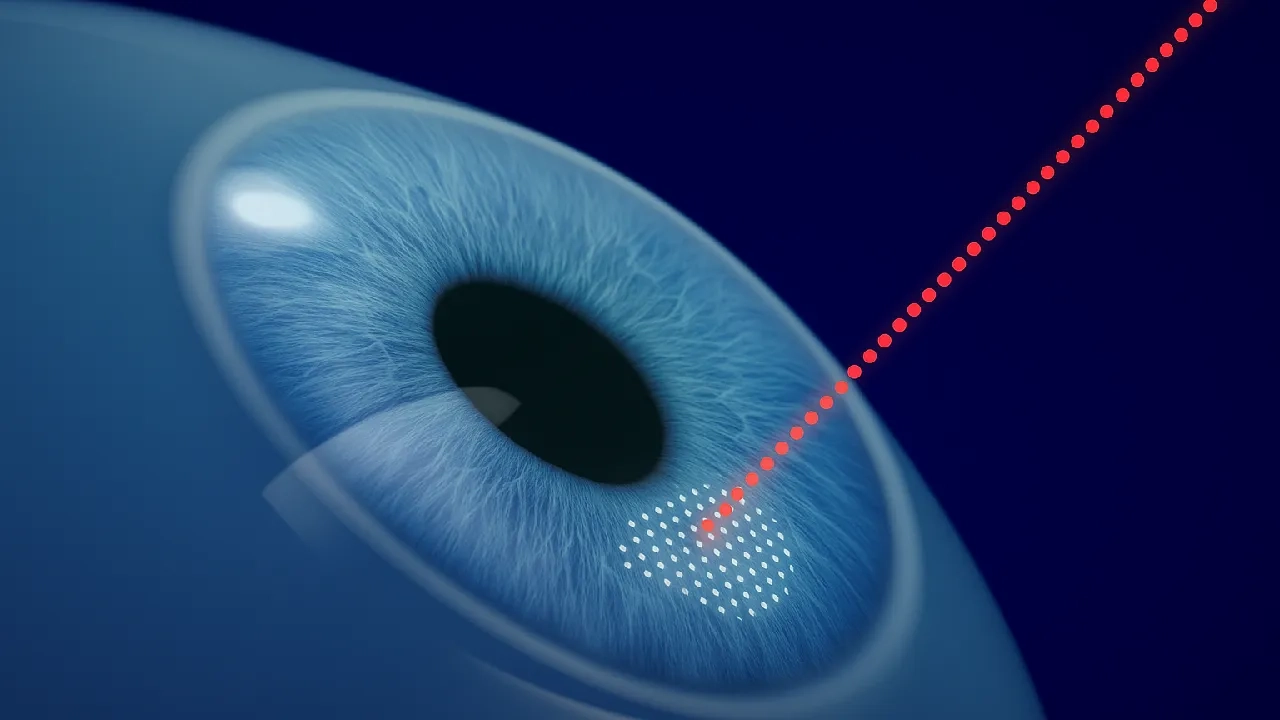
LASIK surgery is a quick and precise procedure performed through carefully planned steps. It relies on advanced laser technologies that reshape the corneal surface to improve vision quality safely and effectively, while the patient remains awake throughout the procedure without feeling pain.
At Dr. Fouad El-Sayyad Center, we follow precise steps using the latest high-precision laser technologies, while paying attention to every detail of the procedure to ensure maximum safety. These steps include:
- Numbing the eye with topical anesthetic drops to prevent pain during the procedure.
- Stabilizing the eye using precise instruments to ensure it remains steady during the procedure.
- Creating a thin flap on the corneal surface using modern laser technologies.
- Carefully lifting the surface flap to access the inner corneal tissue.
- Precisely reshaping the cornea using excimer laser beams to correct refractive errors.
- Returning the corneal surface flap to its natural position without the need for surgical stitches.
- Monitoring corneal and vision stability immediately after the procedure.
With these precise steps, Dr. Fouad El-Sayyad Center ensures that LASIK surgery is performed accurately and safely, after fully confirming that each case meets the requirements for LASIK surgery. This helps achieve the best visual results, reduce the recovery period, and reach clearer, more stable vision in the long term.
Instructions After LASIK Surgery
After confirming that the LASIK surgery requirements are met and the procedure is successfully performed, the recovery stage becomes essential to maintaining stable results and achieving the best level of visual clarity. Therefore, patients are advised to follow the doctor’s instructions carefully during the first few days after the procedure to speed up healing and reduce any potential complications.
The most important instructions after LASIK surgery include:
- Getting enough rest and sleep to relax the eyes after the procedure.
- Avoiding rubbing the eyes completely during recovery to protect the cornea.
- Wearing sunglasses when going outside to reduce the effect of bright light on the eyes.
- Staying away from dust and polluted air during the first few days after the procedure.
- Avoiding intense physical effort and strong sports for the period determined by the doctor.
- Avoiding direct water exposure to the eyes during the first few days after surgery.
- Temporarily avoiding the use of cosmetics around the eyes to prevent infection.
- Using lubricating eye drops and prescribed medications regularly.
- Attending regular follow-up appointments with the doctor to check vision stability and recovery safety.
Success Rate of Vision Correction Surgery
LASIK vision correction is considered one of the safest and most successful procedures in ophthalmology, especially with the major development in laser technologies and the accuracy of devices currently used, in addition to the doctor’s experience in evaluating the case and performing the procedure with high precision.
The success rate of vision correction surgery in most cases reaches:
- More than 95% of patients achieve clear vision without glasses.
- A large percentage reach 6/6 vision or very close to it.
- Noticeable improvement in vision quality within the first 24 hours.
- Stabilization of results within a few weeks after the procedure.
- Low possibility of complications when the patient follows the doctor’s instructions.
These high rates mainly depend on choosing the right case through the proper LASIK surgery criteria, accurate examinations before the procedure, and commitment to post-operative instructions. This ensures safe results and stable vision that lasts for many years.
Contraindications for LASIK Surgery
After learning about the requirements for LASIK surgery, it is also important to understand the cases that may not be suitable for this procedure. Certain health problems or medical factors may affect the safety of the procedure or the accuracy of its results, making it necessary to consider other alternatives that may be more suitable for the case.
The most important contraindications include:
- Being under 18 years old or having an unstable vision prescription.
- Severe chronic dry eye.
- Thin cornea or keratoconus.
- Eye diseases such as glaucoma, cataracts, or corneal infections.
- Pregnancy or breastfeeding due to hormonal changes that may affect vision.
- Autoimmune diseases or the use of immunosuppressive medications.
- Very high degrees of myopia or hyperopia that may not be suitable for LASIK.
- Large pupil size that may affect night vision quality after the procedure.
- Certain unstable chronic diseases, such as uncontrolled diabetes.
For this reason, at Dr. Fouad El-Sayyad Center, we perform a comprehensive and accurate evaluation for each case to confirm whether it meets the requirements for LASIK surgery and to choose the most suitable procedure for achieving the best results with the highest levels of safety.
LASIK Alternatives for Patients Who Do Not Meet the Requirements
In some cases where the requirements for LASIK surgery are not met or the cornea is not suitable for this procedure, modern and effective alternatives can be used to correct vision. These alternatives provide good results while maintaining eye safety and meeting each patient’s needs individually.
The most important LASIK alternatives include:
PRK
PRK is one of the effective options for vision correction in cases that are not suitable for traditional LASIK procedures, especially when the cornea is thin or its shape is not suitable for conventional surgery. This technique depends on removing the surface layer of the cornea, known as the epithelium, and reshaping the corneal surface directly using laser, without the need to create a surgical flap as in LASIK. Although the recovery period may be relatively slower, the results are accurate and stable in the long term with commitment to medical instructions and careful follow-up.
ICL Lens Implantation
ICL lens implantation is one of the advanced solutions for vision correction in cases with high degrees of refractive error or cases that are not suitable for other laser techniques. This technique depends on implanting a precise lens inside the eye without removing the natural lens, helping improve vision immediately and effectively while preserving corneal tissue. It is also characterized by the possibility of removing or modifying the lens later when needed, providing greater flexibility and safety in the long term.
Because determining the most suitable technique, whether PRK, ICL lenses, or other modern vision correction technologies, requires an accurate medical evaluation of the eye condition, degree of refractive error, and corneal thickness, do not hesitate to contact Dr. Fouad El-Sayyad Center to book an accurate consultation that helps you make the right decision and restore clear vision with confidence and reassurance.
Why Choose Dr. Fouad El-Sayyad Center to Confirm Your Eligibility for LASIK?
Dr. Fouad El-Sayyad Center is one of the specialized centers in vision correction surgeries. It combines precise medical experience with modern technologies in evaluating cases of poor vision, helping determine whether the patient meets the requirements for LASIK surgery with the highest levels of accuracy and safety before making any treatment decision.
We believe that the success of vision correction surgery begins with accurate diagnosis. Therefore, we are committed to performing a comprehensive evaluation for each case using the latest medical devices, along with creating a customized treatment plan that suits each patient’s individual needs to ensure the best possible visual results.
Our main advantages include:
- Using the latest eye examination devices and accurate corneal assessment technologies.
- Comprehensive diagnosis to determine whether the case meets the requirements for LASIK surgery.
- Specialized medical experience in vision correction and cataract surgeries.
- Choosing the suitable technique for each case, whether LASIK, PRK, or ICL lens implantation.
- Accurate follow-up before and after the procedure to ensure result stability.
- Reducing the possibility of complications through precise medical evaluation for each patient.
- Individual treatment plans designed according to the nature of each eye.
- Using the latest laser technologies to ensure the highest levels of accuracy.
- Providing a safe and comfortable medical experience from examination to recovery.
Finally, the decision to undergo vision correction should not depend on desire alone. It should be based on an accurate evaluation that determines whether the case meets the requirements for LASIK surgery and ensures the best possible visual result with the highest levels of safety.
Therefore, if you are considering getting rid of glasses and want to know whether you are eligible for vision correction surgery, you can contact Dr. Fouad El-Sayyad Center to book an accurate consultation and determine the most suitable solutions for your case, with complete medical follow-up that helps you achieve clearer vision and a more comfortable and confident life.
FAQs
What Are the Contraindications for Vision Correction Surgery?
There are some cases where vision correction is not recommended, such as unstable vision prescription, thin cornea or keratoconus, severe dry eye, as well as some eye diseases such as cataracts, glaucoma, and corneal infections. Certain autoimmune diseases, irregular use of diabetes medications, pregnancy, and breastfeeding may also affect the safety of the procedure and the accuracy of its results.
Does LASIK Surgery Affect Breastfeeding?
LASIK surgery itself does not affect breastfeeding. However, it is not preferred during pregnancy or breastfeeding due to hormonal changes that may affect vision stability and measurement results. Therefore, it is usually recommended to postpone the procedure until hormonal stability is restored to obtain the most accurate results and the highest levels of safety.

Book an Eye Consultation Appointment | Dr. Fouad El Sayyad
Book now